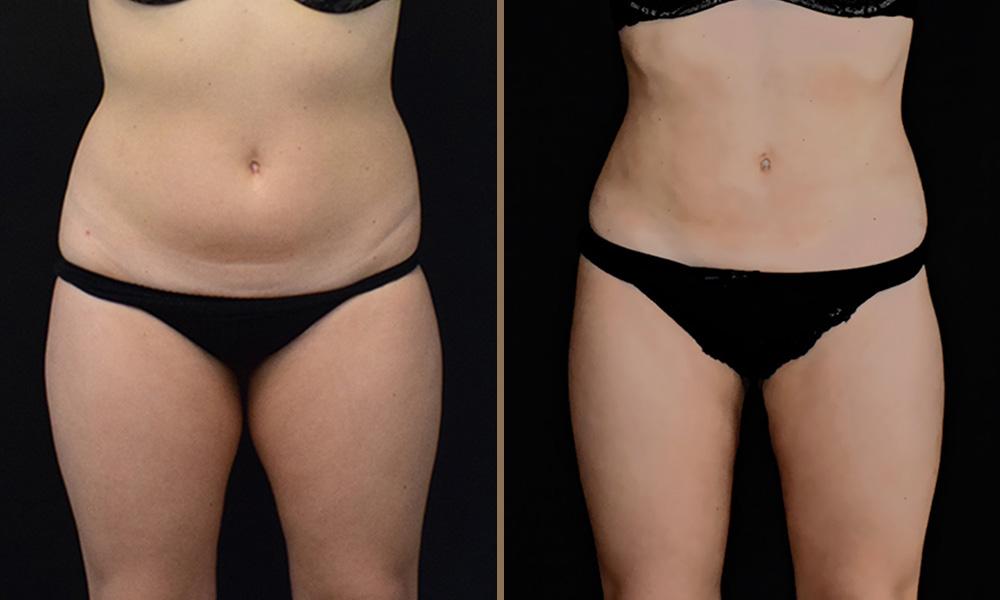
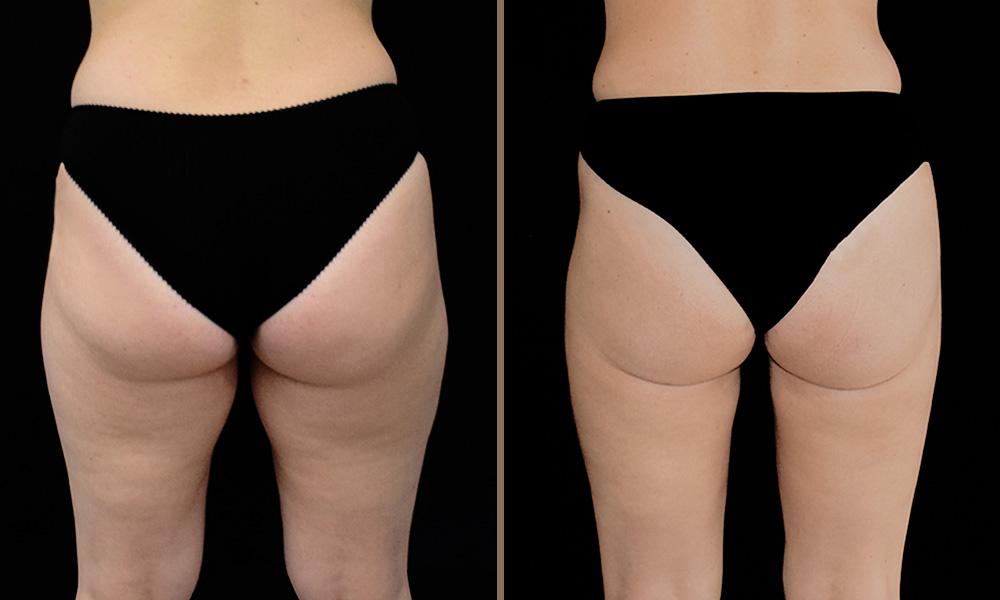
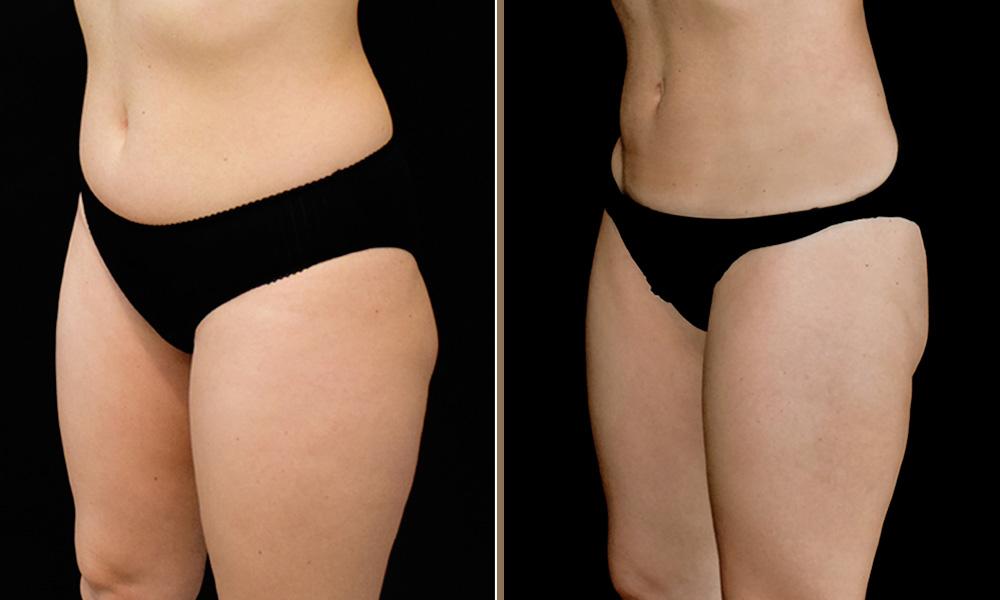
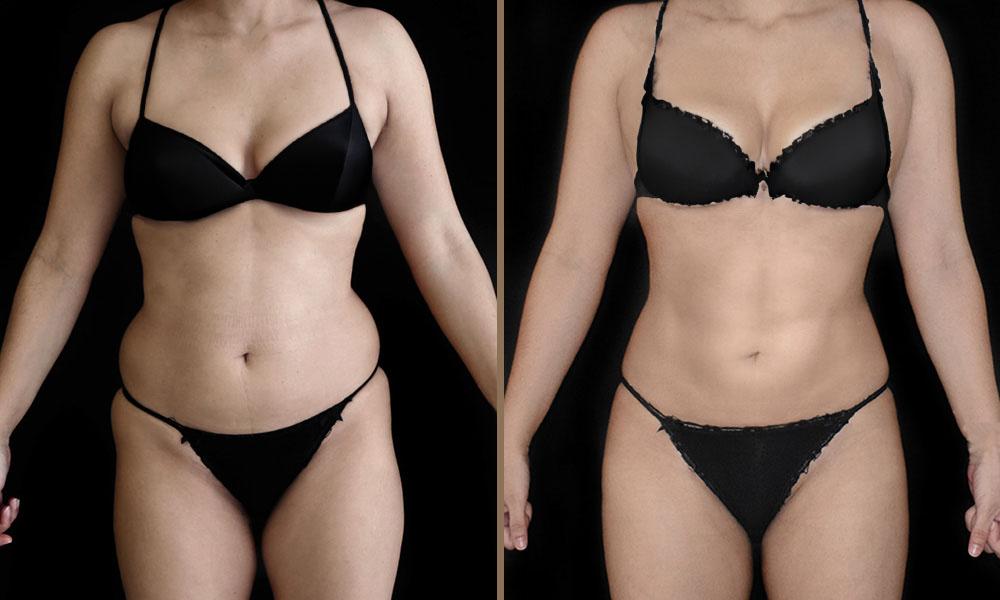
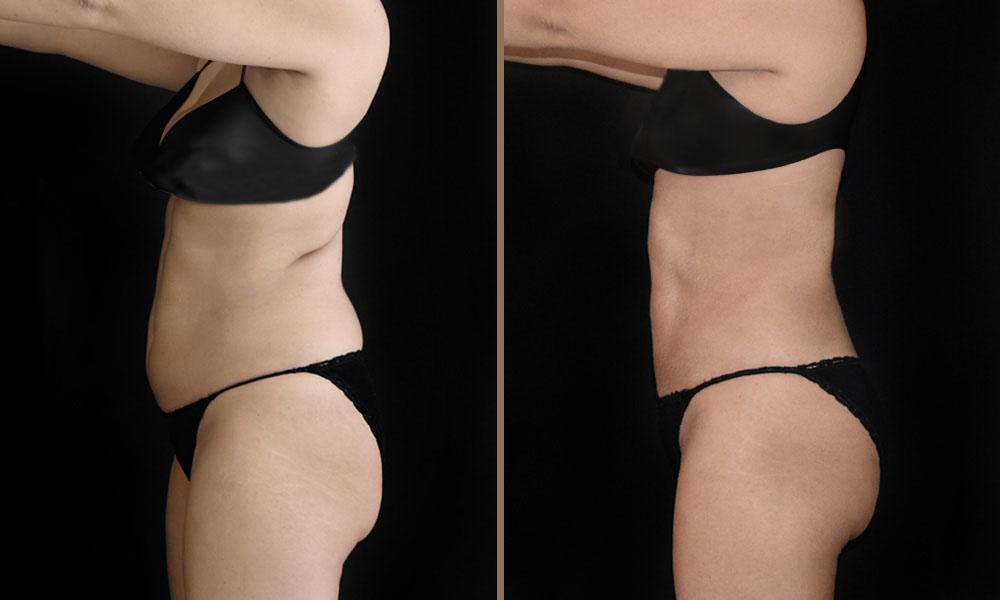
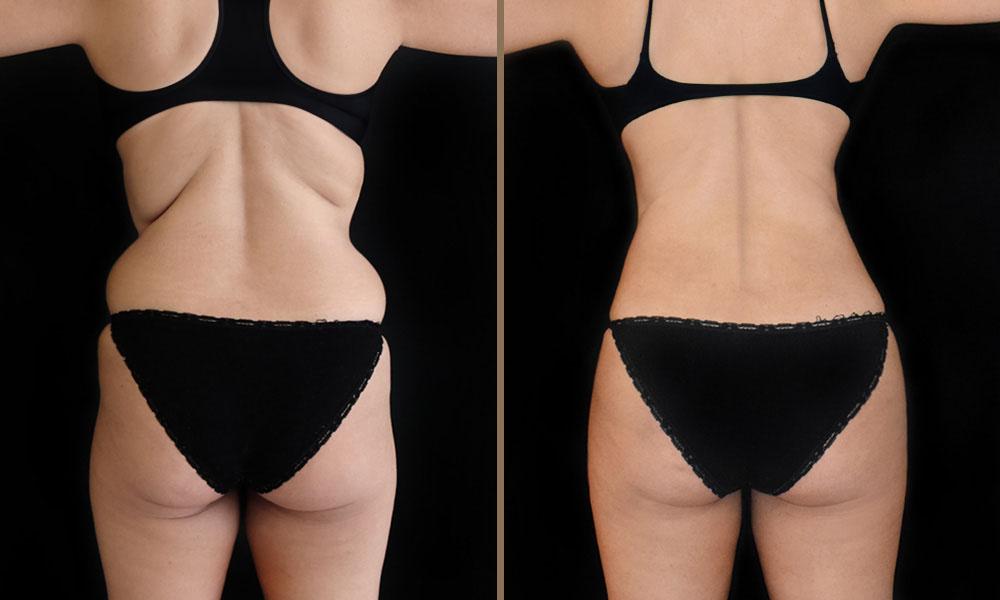
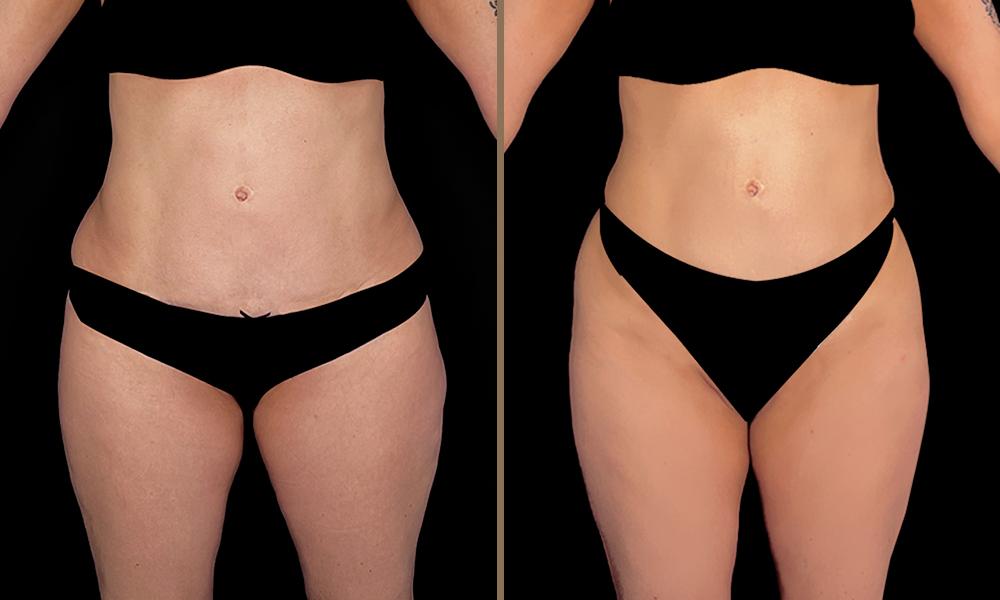
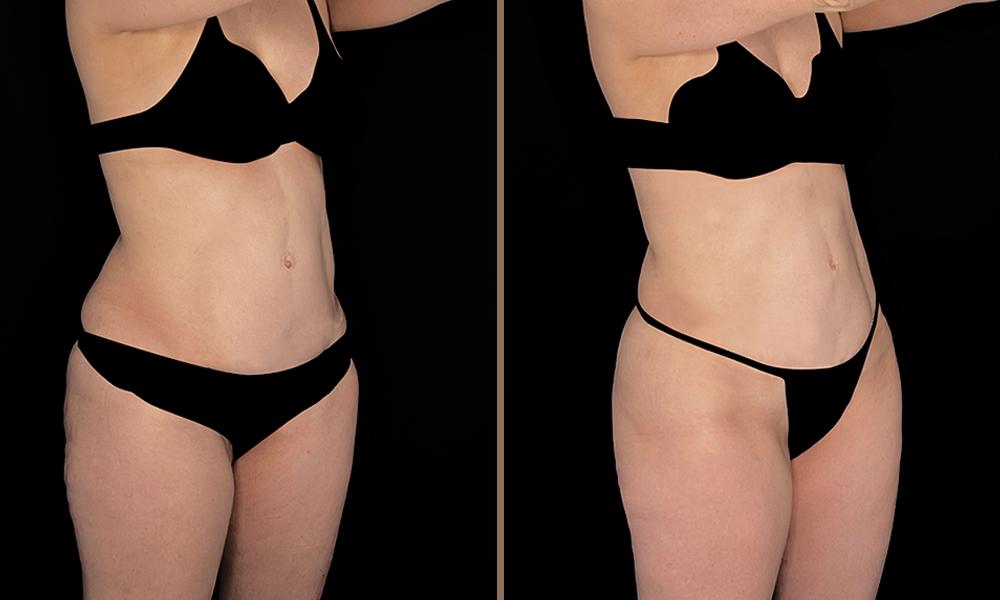
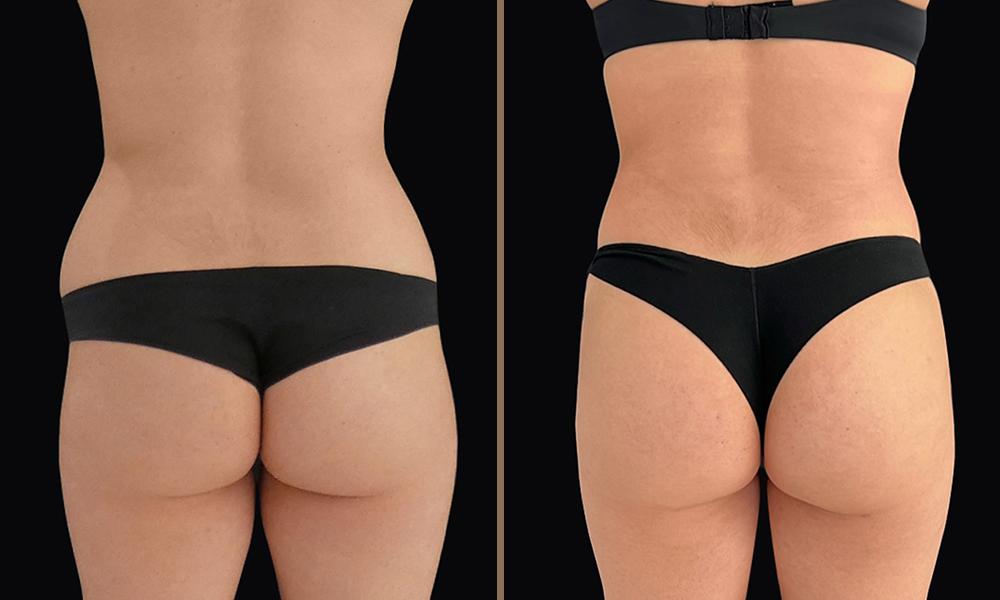
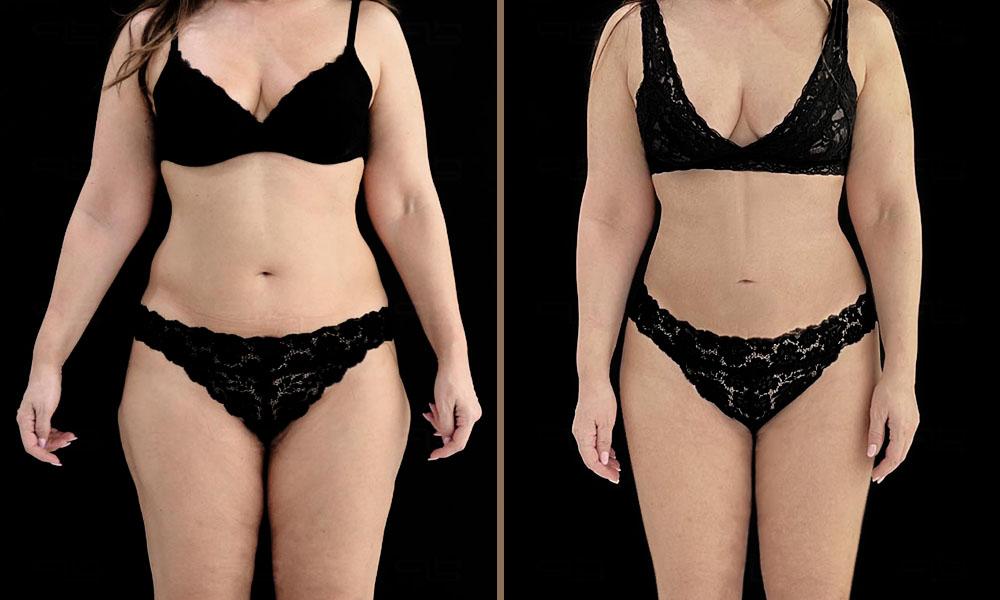
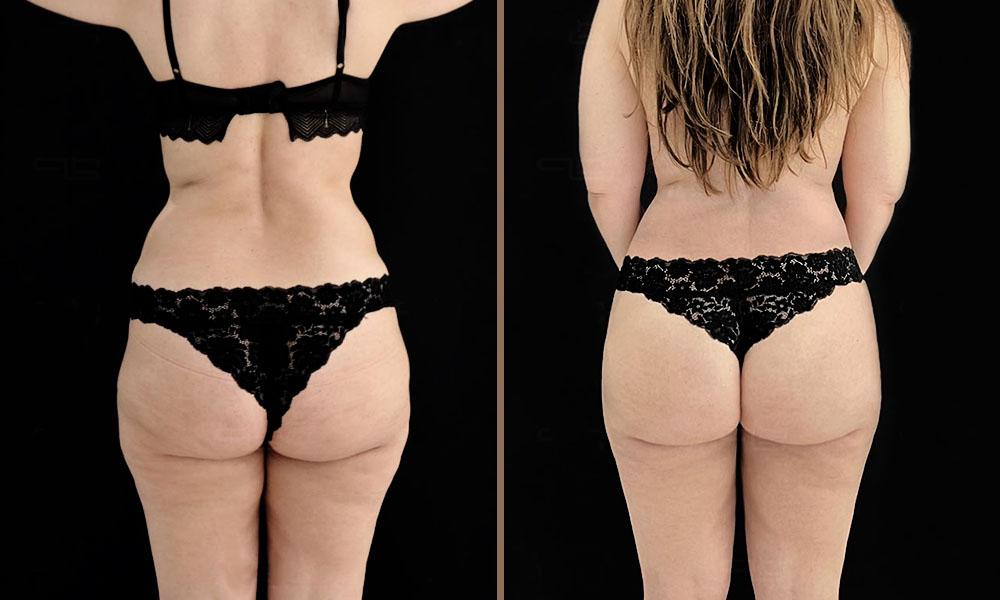
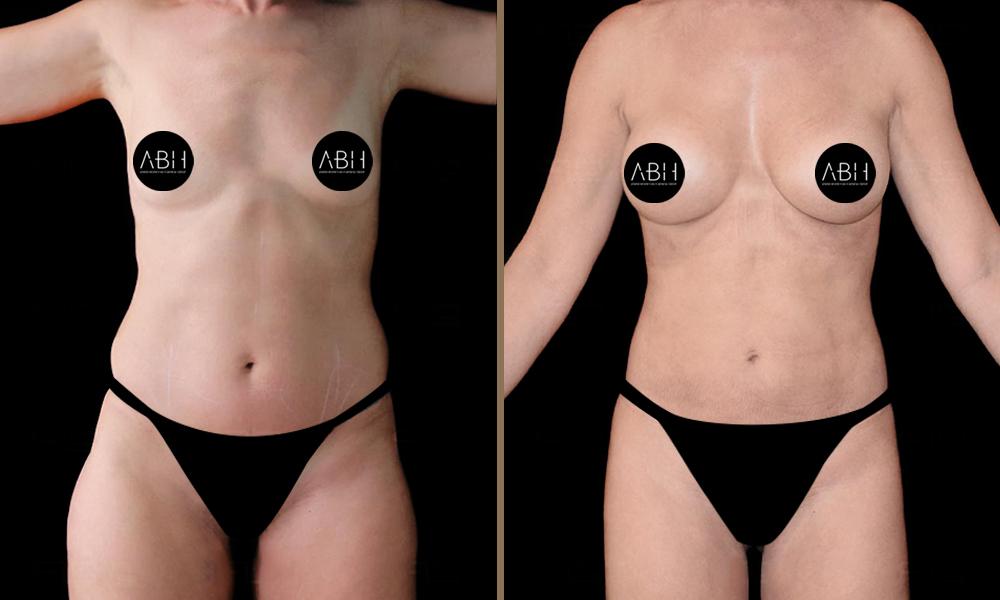
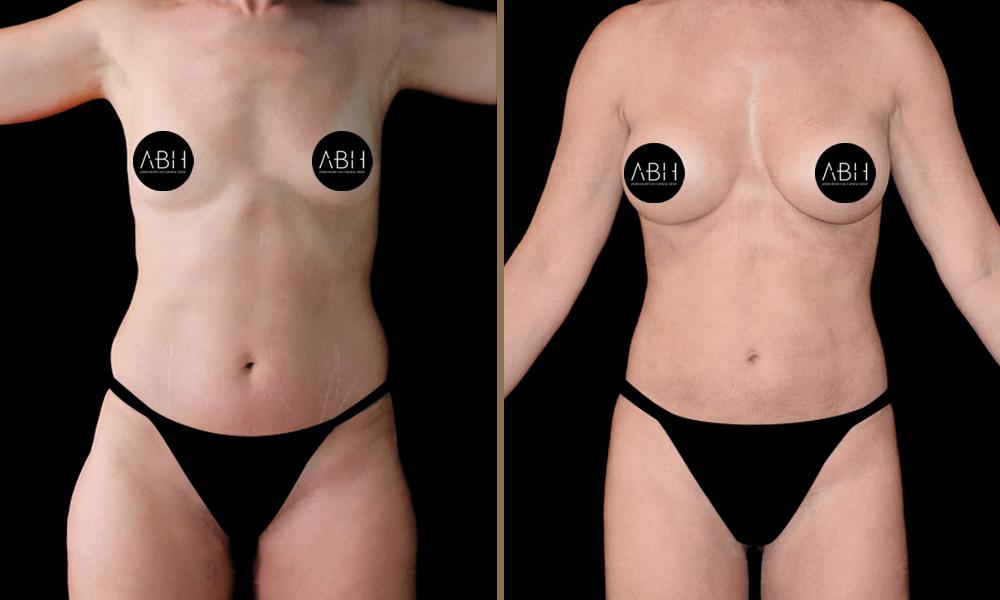
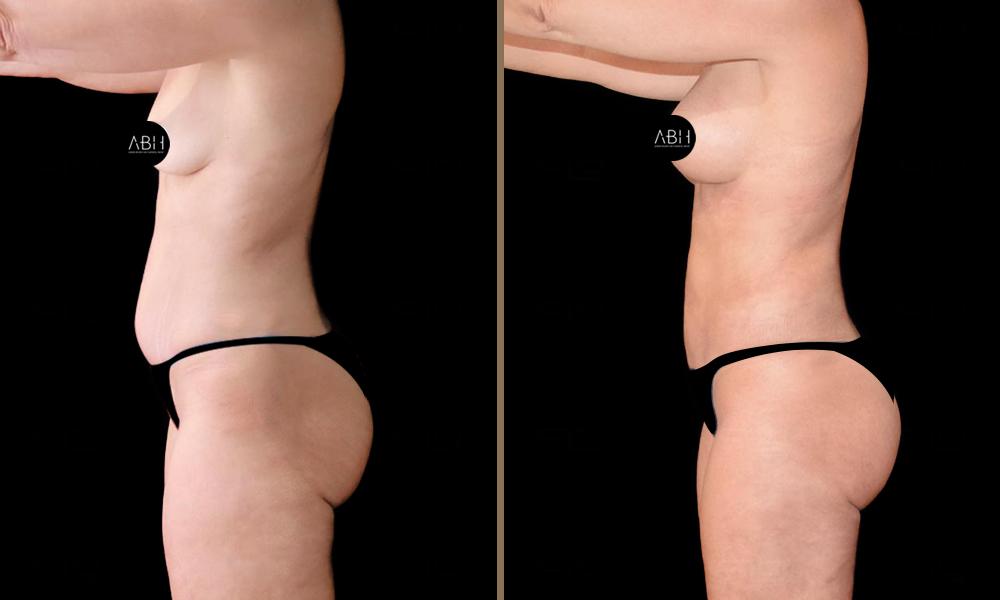
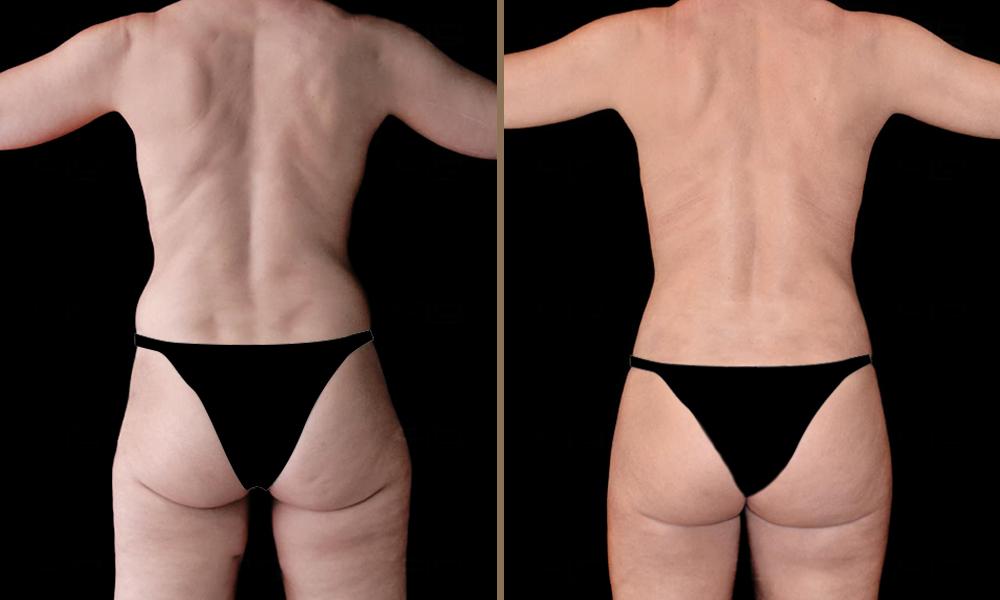
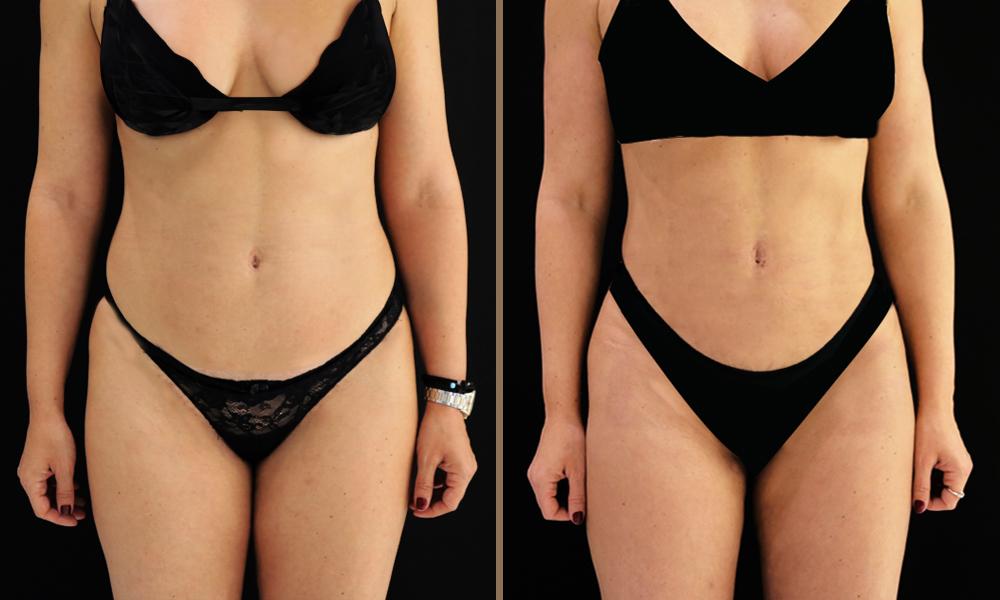
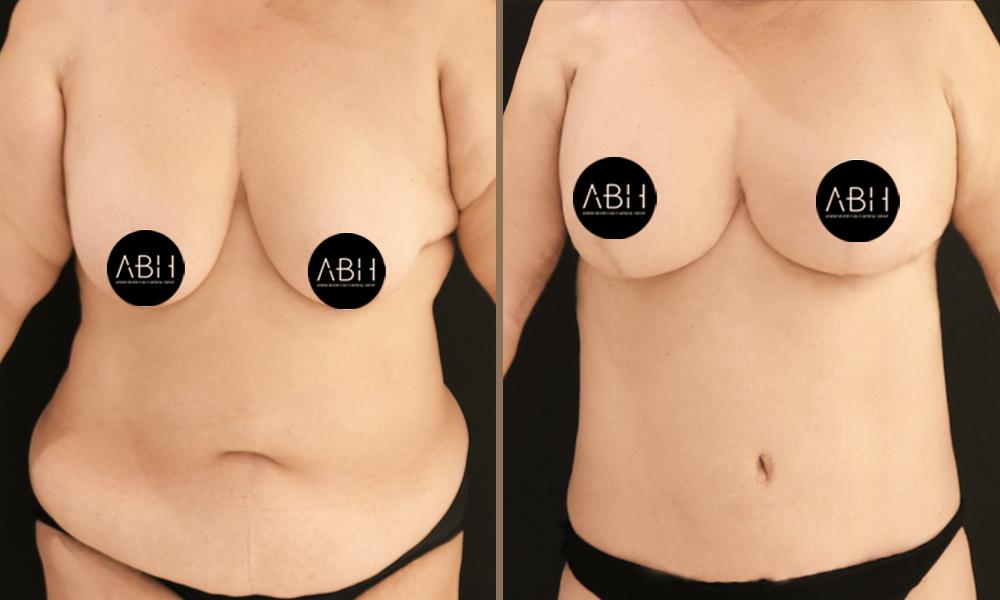
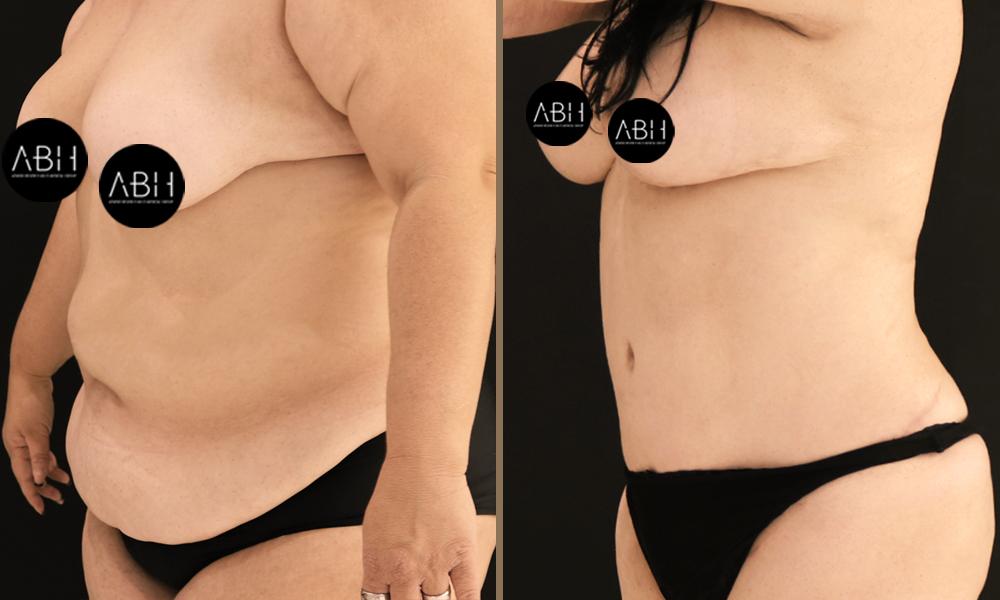
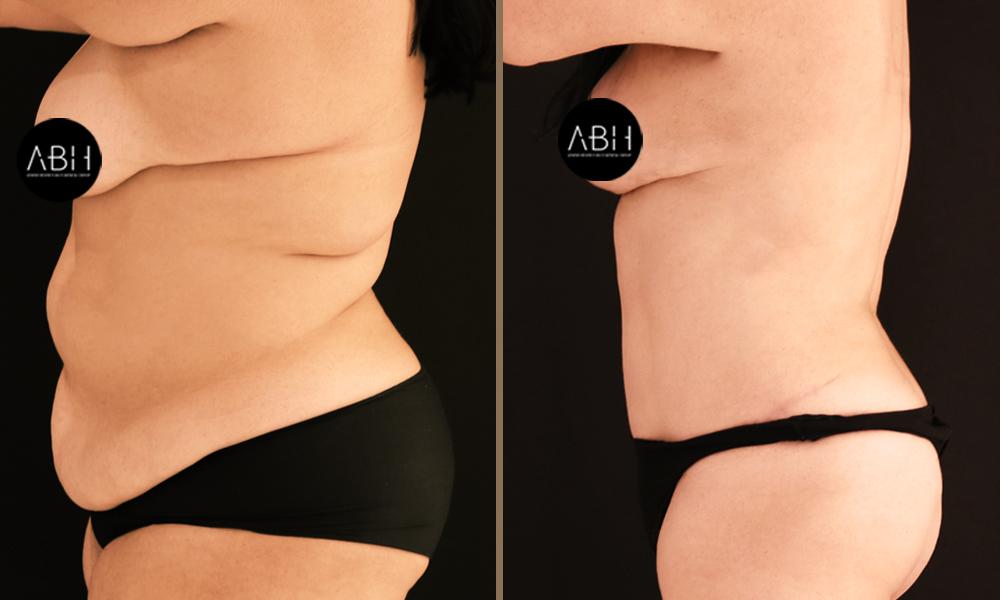
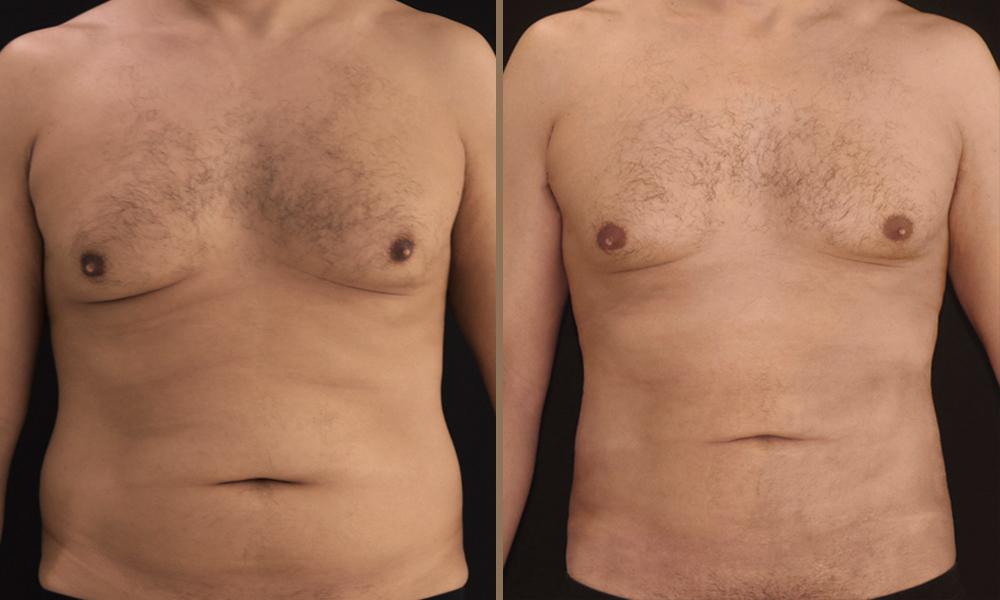
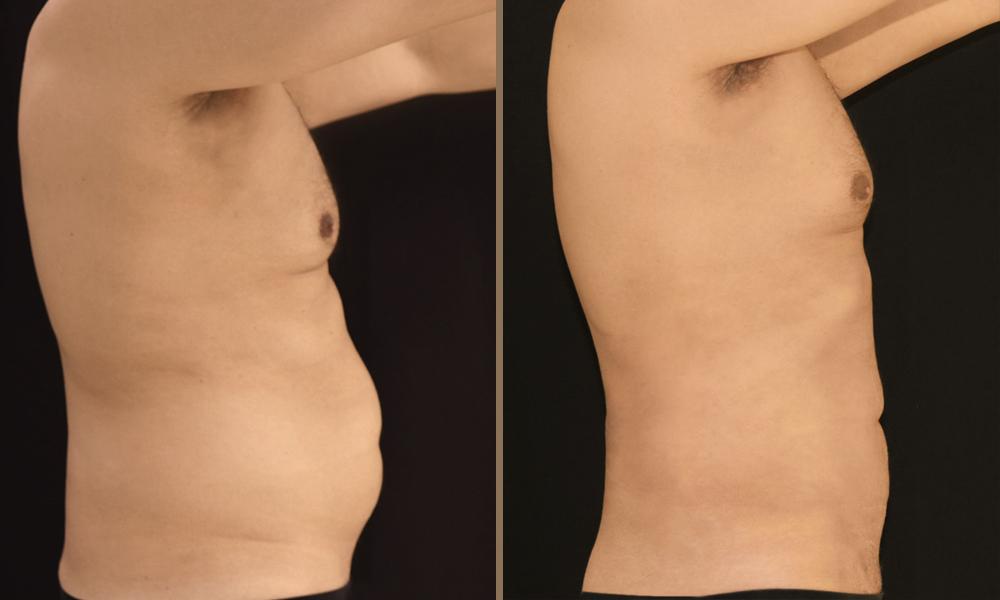
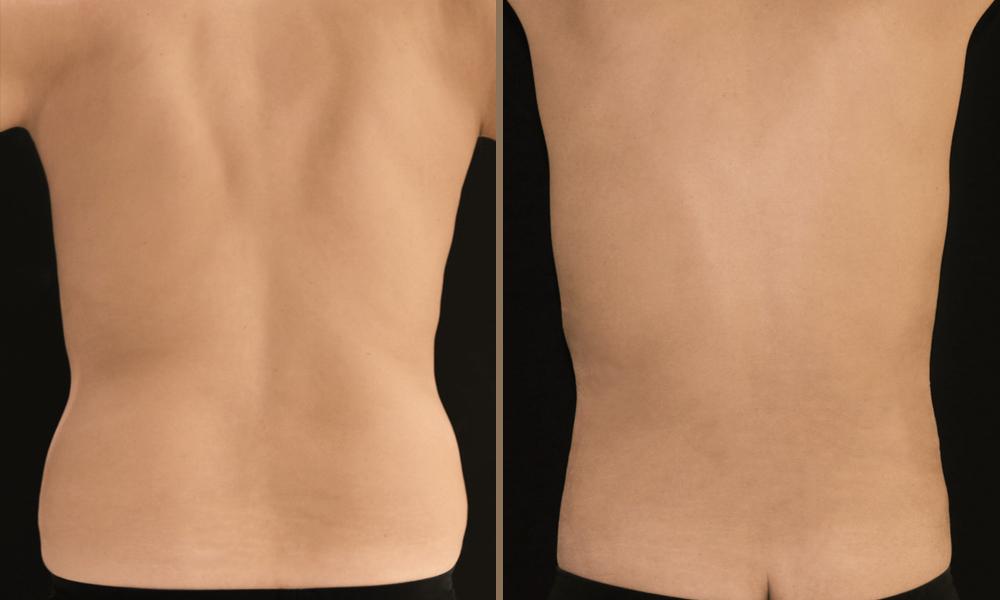
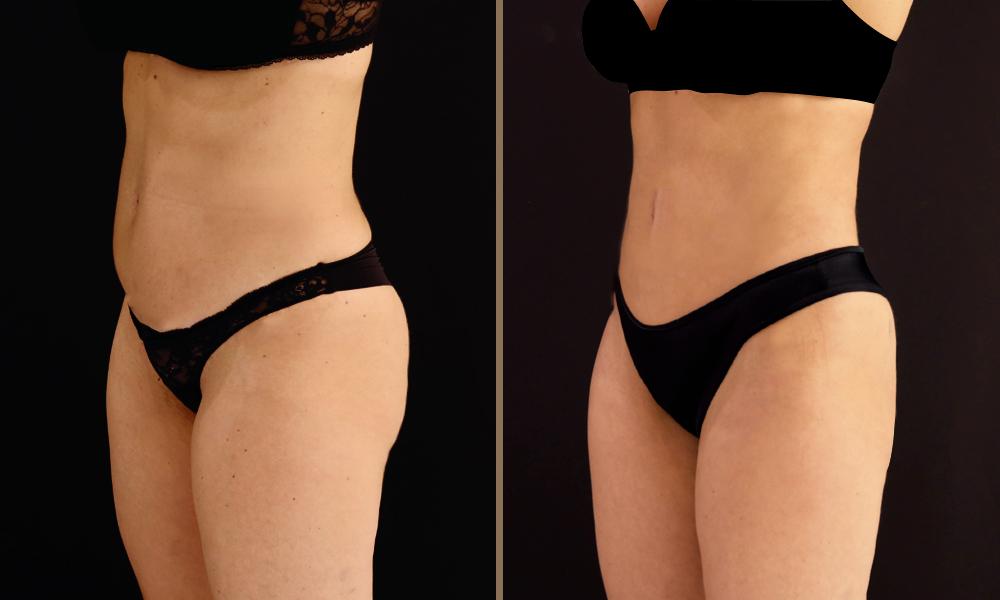
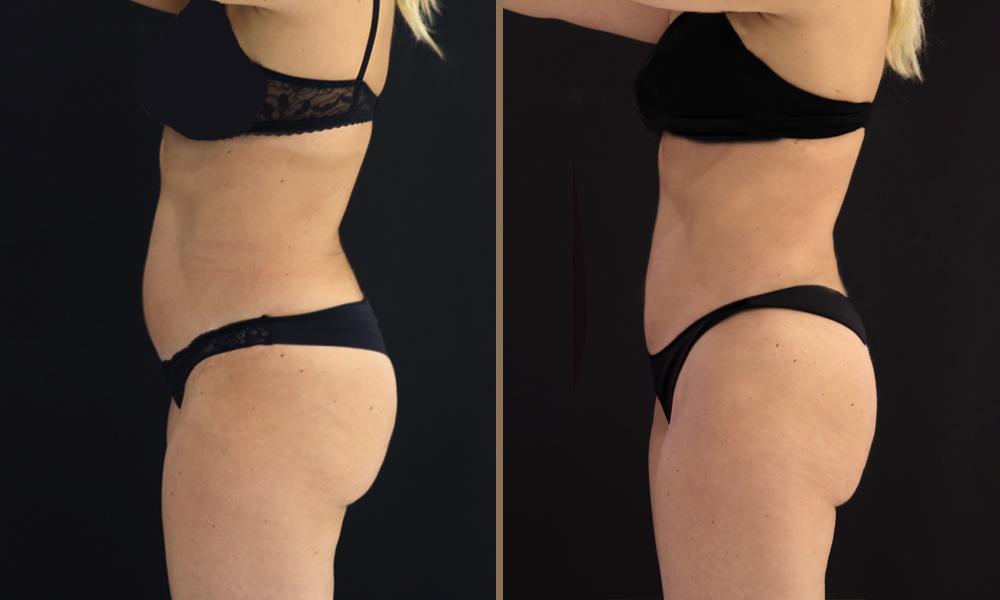
Liposuction is a plastic surgery procedure that selectively removes subcutaneous fat from specific areas, such as the abdomen, chest, chin, arms or legs, to improve body contour and proportions. The fat is removed through small incisions, with the help of a thin cannula connected to a suction system.
It is not a method of weight loss or a treatment for obesity.
Liposuction removes the fat found under the skin, not the visceral fat surrounding the internal organs, since this fat lies within the abdominal cavity rather than under the skin. It also does not treat cellulite or remove stretch marks.
| Liposuction | What to expect |
|---|---|
| Procedure duration | Usually 1–3 hours |
| Anaesthesia | Local with sedation, or general |
| Stay at the clinic | Usually same-day |
| Showering | Usually after 24–48 hours |
| Driving | 3–7 days |
| Return to work | A few days to 2 weeks |
| Compression garment | Usually for 4–6 weeks |
| Strenuous exercise | Usually after 4–6 weeks |
| Full recovery | Around 4–6 weeks |
| Final result | Usually within 3–6 months |
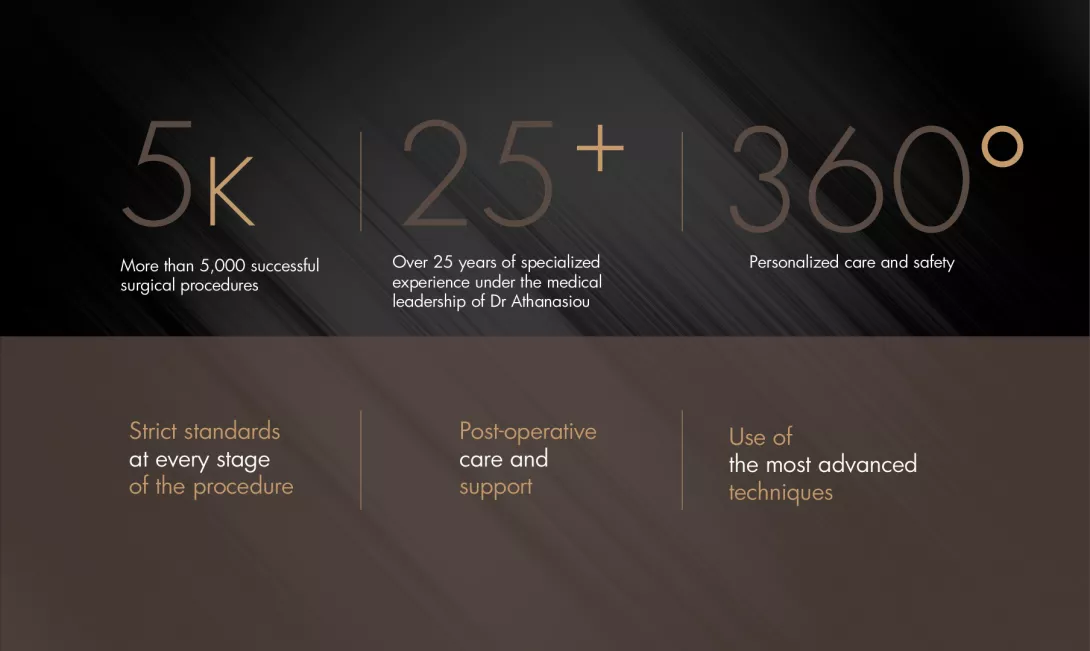
At ABH Medical Group, our specialist team, led by the distinguished Plastic Surgeon Dr Athanasiou, MD, PhD, combines advanced medical expertise with the latest technology to achieve outstanding results for every patient. We apply the most modern liposuction techniques, including VASER technology, aiming to create natural, harmonious results that highlight your uniqueness.
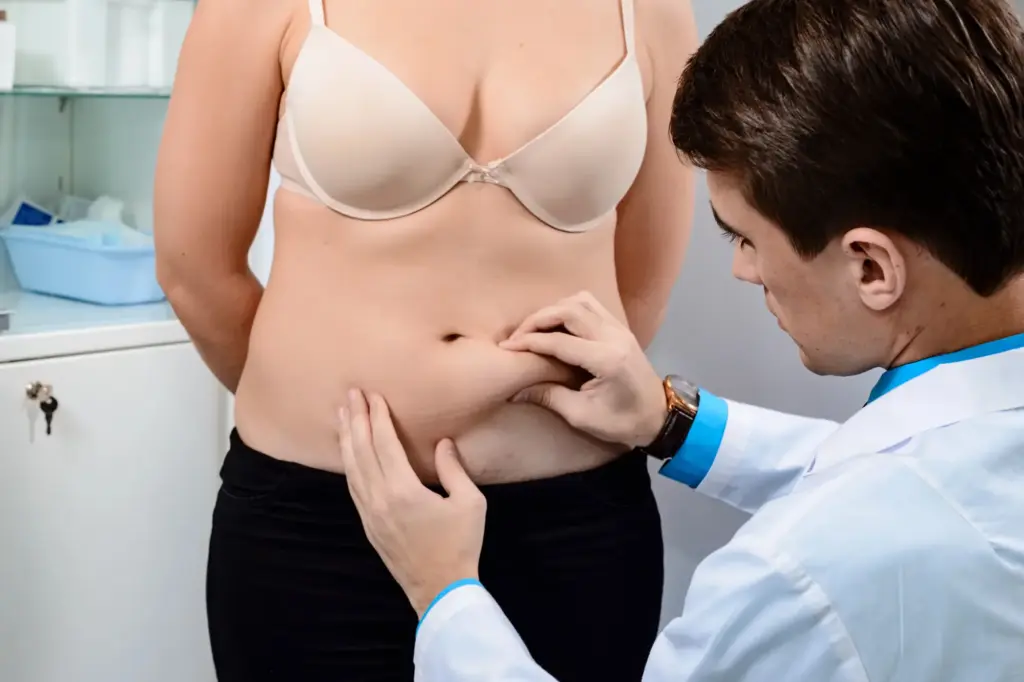
Liposuction offers more predictable results in people who have localised fat deposits, do not have large weight fluctuations, and have skin with satisfactory elasticity.
After the fat is removed, the skin needs to adjust to the smaller volume of the underlying tissue. When it is firm and elastic, the likelihood of it adapting smoothly to the new contour increases significantly.
A suitable candidate is usually a healthy adult who:
Age alone does not rule out liposuction. As skin elasticity decreases over time, each person is assessed individually, based on anatomy, tissue quality, medical history and the goal of the procedure. [1–4]
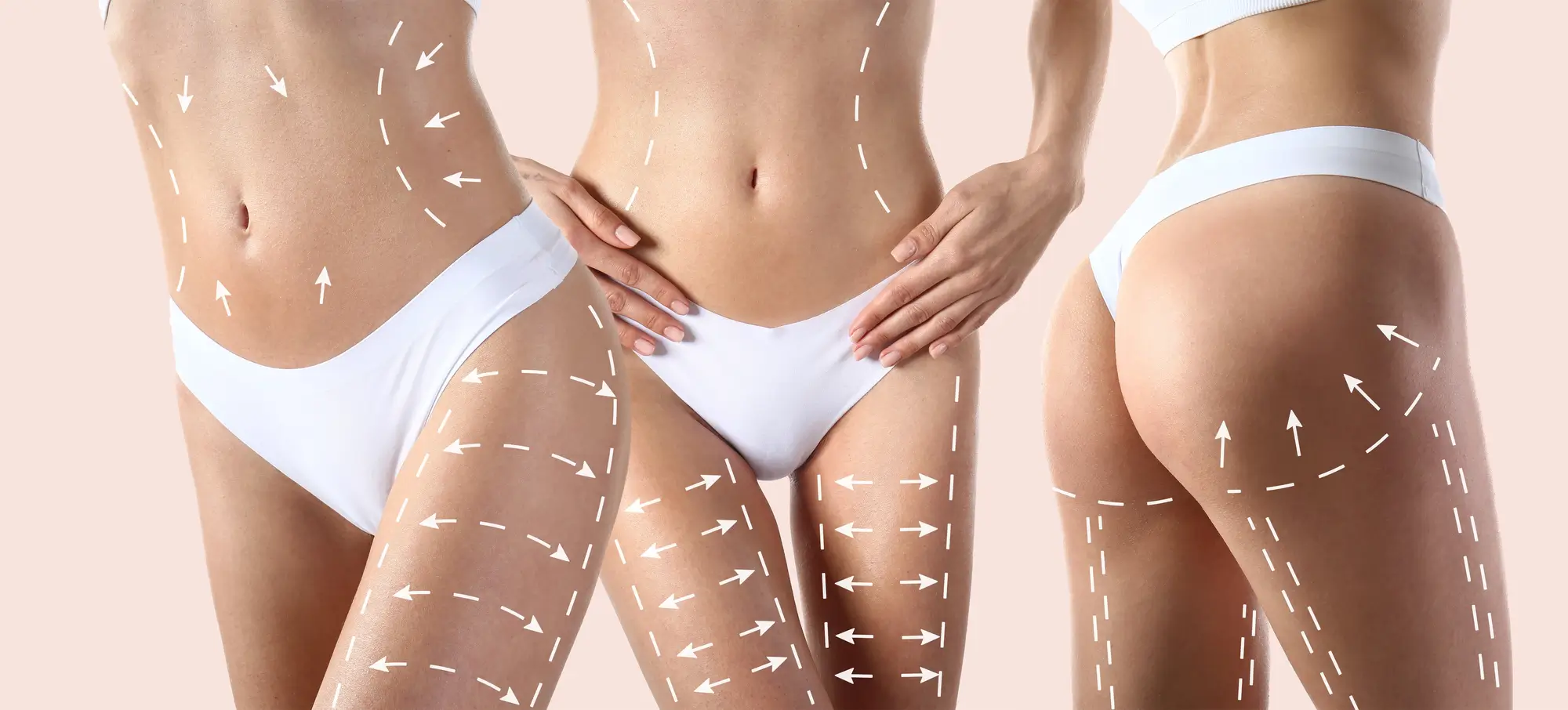
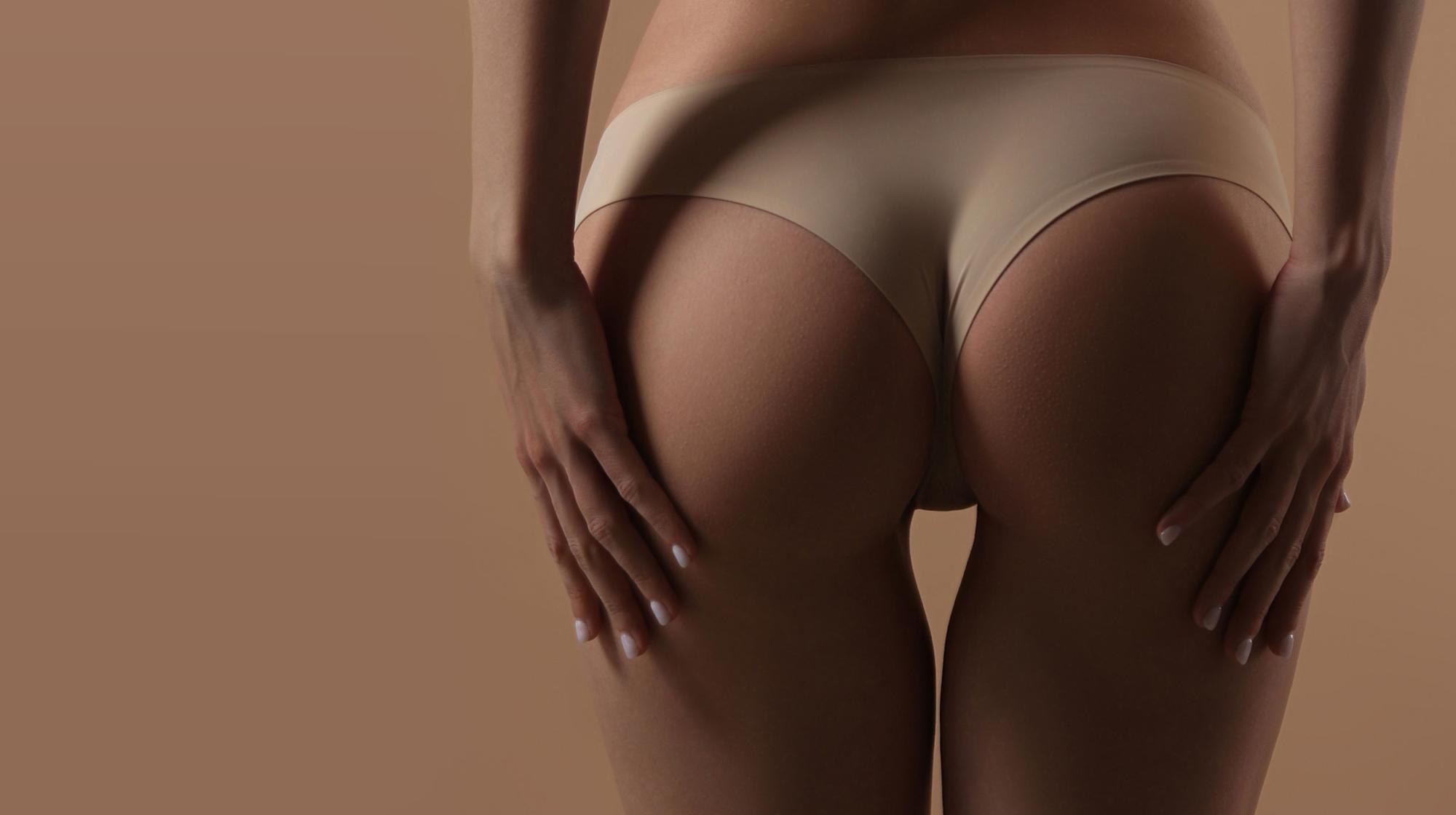
Liposuction can be applied to almost all areas of the face and body where localised subcutaneous fat is present. The most common are:
In many cases, several neighbouring areas are treated at the same time, such as the abdomen, flanks and waist, so the result blends naturally with the body’s overall lines rather than being confined to a single area. When the procedure covers the entire circumference of the torso at once (abdomen, flanks, waist, back) in a single session, it is often called Lipo 360.
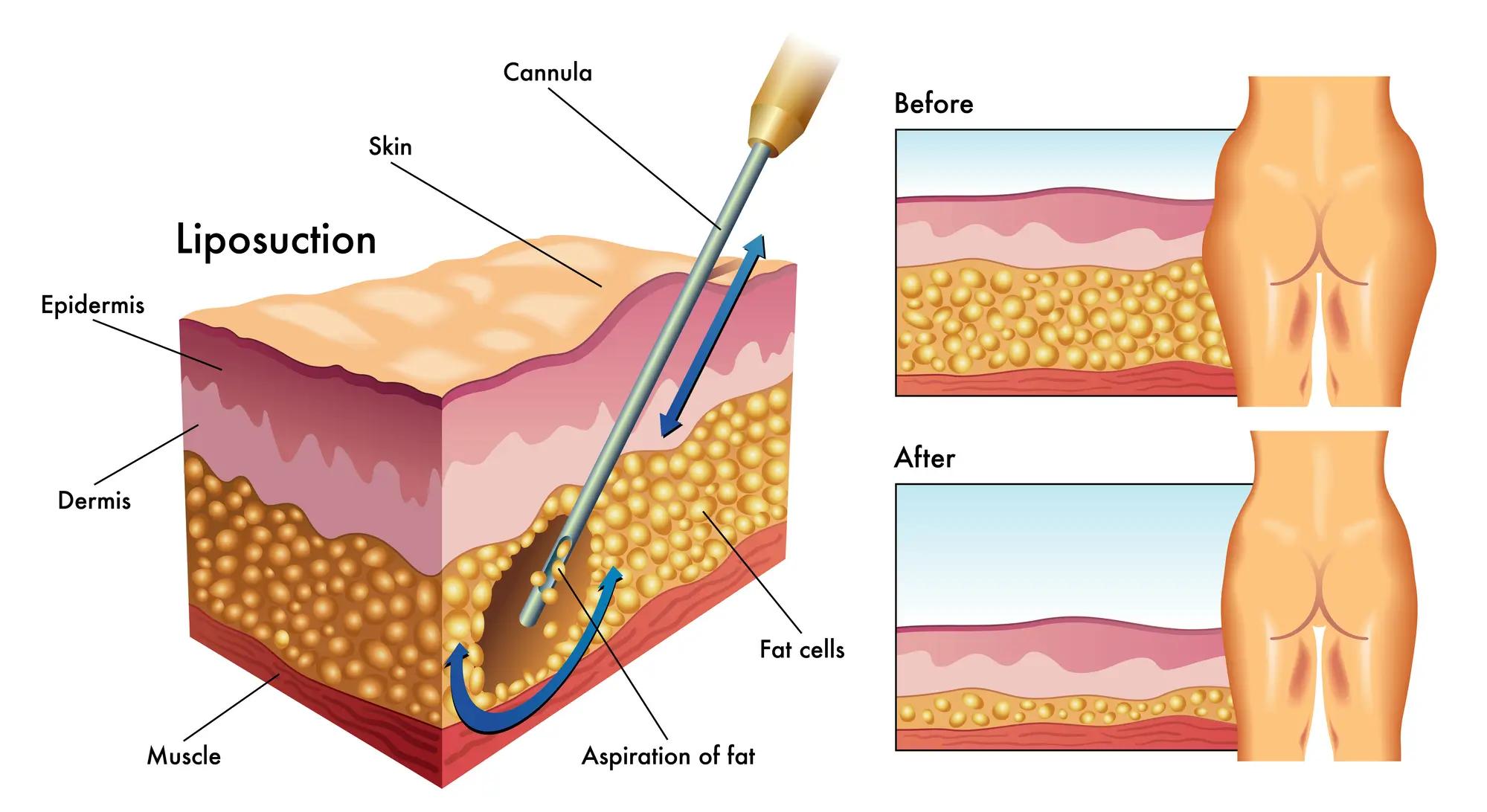
All techniques share the common feature of removing fat through a thin cannula, but they differ in how the fatty tissue is prepared and broken down before suction. The main liposuction techniques are:
In classic liposuction, the plastic surgeon manually moves the cannula under the skin to break down and gradually remove the fat. In its modern application, the method is usually combined with the tumescent technique. Before suction begins, a special solution is injected into the area. It contains saline, a local anaesthetic (lidocaine) and a medicinal substance (adrenaline) that reduces bleeding and bruising by constricting the blood vessels.
The solution swells the fatty tissue, separating it from the muscles, while also limiting blood loss and helping to control pain.
The technique requires greater physical effort from the surgeon, because the fat is broken down manually, and it involves more post-operative pain and bruising compared with newer techniques.
In power-assisted liposuction, known as PAL, the cannula is connected to a special motorised handpiece that performs rapid, short-range back-and-forth movements. This motion helps break down the fatty tissue and allows the cannula to advance with less manual pressure. The technique makes it easier to treat larger surfaces, dense or fibrous fat, and areas that have previously undergone liposuction and contain internal scar tissue.
At the same time, it reduces physical strain on the surgeon during a more extensive procedure. This helps maintain controlled, precise movements until the shaping of the area is complete. Faster or easier suction, however, does not automatically translate into a better aesthetic result, which depends on the overall surgical plan.
VASER is the most advanced liposuction technique. After the tumescent solution is injected, a thin specialised probe is inserted into the tissue, delivering ultrasound energy to the fat. This energy causes the fatty tissue to detach and break down, so that it can then be removed with the suction cannula.
VASER applies the technology with a different surgical philosophy. Rather than removing fat evenly across the whole area, it reduces fat selectively in some spots and preserves it in others, so the natural lines of the muscles and contour stand out.
Thanks to this selectivity, VASER is also the preferred choice for high-volume procedures, such as circumferential 360-degree liposculpture, that is, procedures that cover the entire circumference of the torso at once (abdomen, flanks, waist, lower back) in a single session.
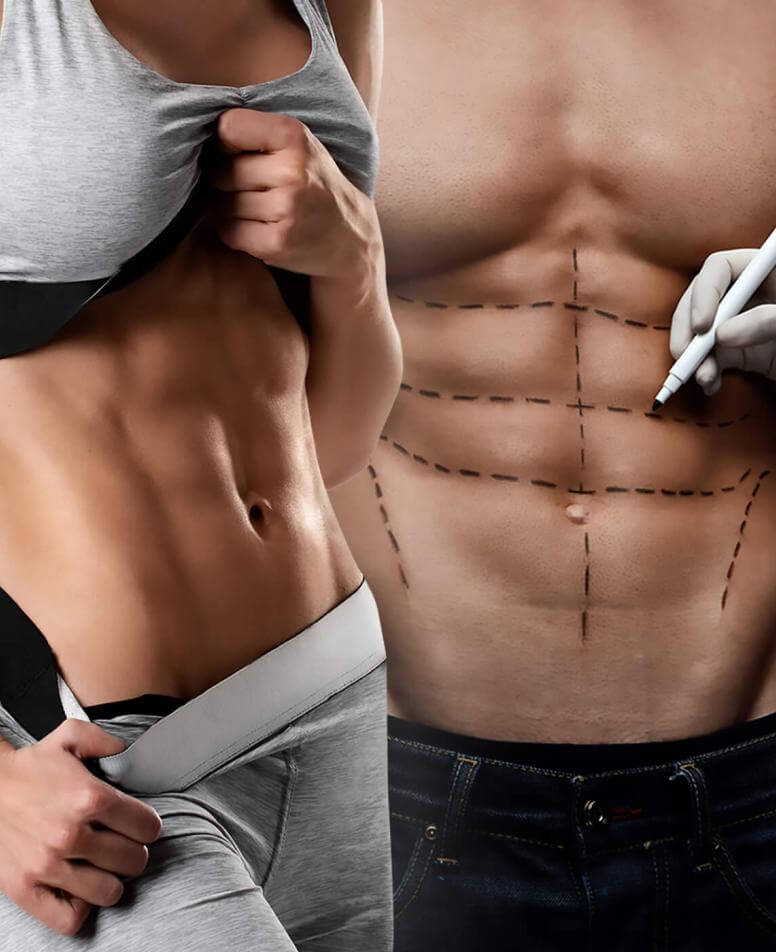
The evolution of this approach is described as high-definition liposculpture, or VASER 4D High Definition. The term “4D” describes a result designed to look natural whether the body is still, moving, or the muscles are flexed.
Because it requires detailed knowledge of surface anatomy and great precision, it must be performed by a plastic surgeon with specific training and experience in high-high-definition liposculpture.
In laser liposuction, a thin optical fibre delivers controlled laser energy into the fatty tissue. The thermal energy liquefies the fat cells to make them easier to remove with the suction cannula.
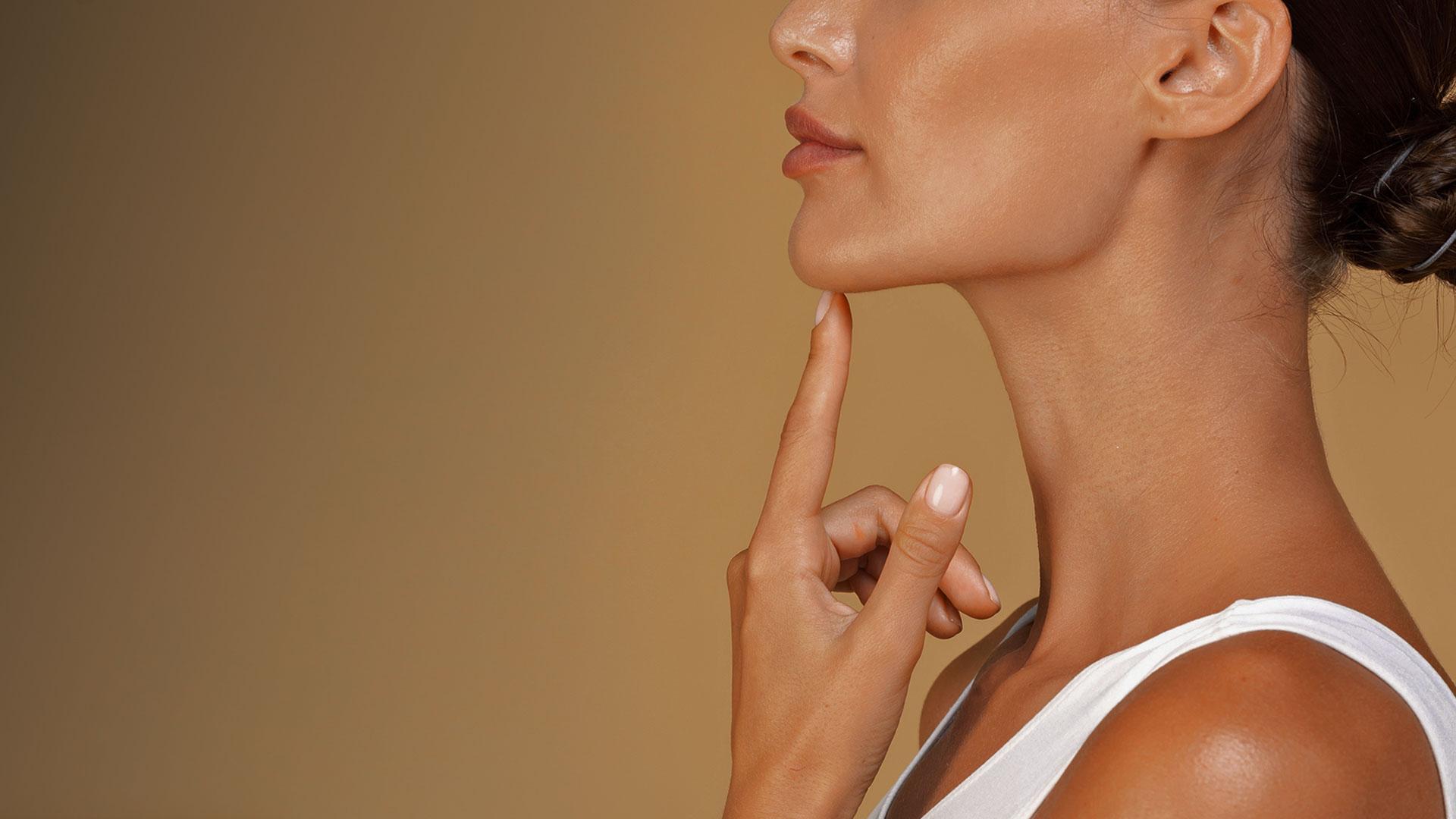
Laser is effective for small areas, such as the double chin, but is not suitable for removing large volumes of fat.
Because of the high heat involved, the technique requires strict adherence to specific energy parameters to avoid the risk of thermal burns. It cannot achieve circumferential 360-degree liposculpture or high definition results like VASER.
Preparation for liposuction begins at the first appointment with the plastic surgeon, where the problem areas, the desired outcome and the changes that can realistically be achieved are discussed.
The doctor examines the distribution and thickness of the fat, skin elasticity, body proportions and any pre-existing asymmetries. At the same time, they check whether the problem is due solely to subcutaneous fat, or whether other factors are also present, such as skin laxity, muscle separation or cellulite, that liposuction alone cannot correct.
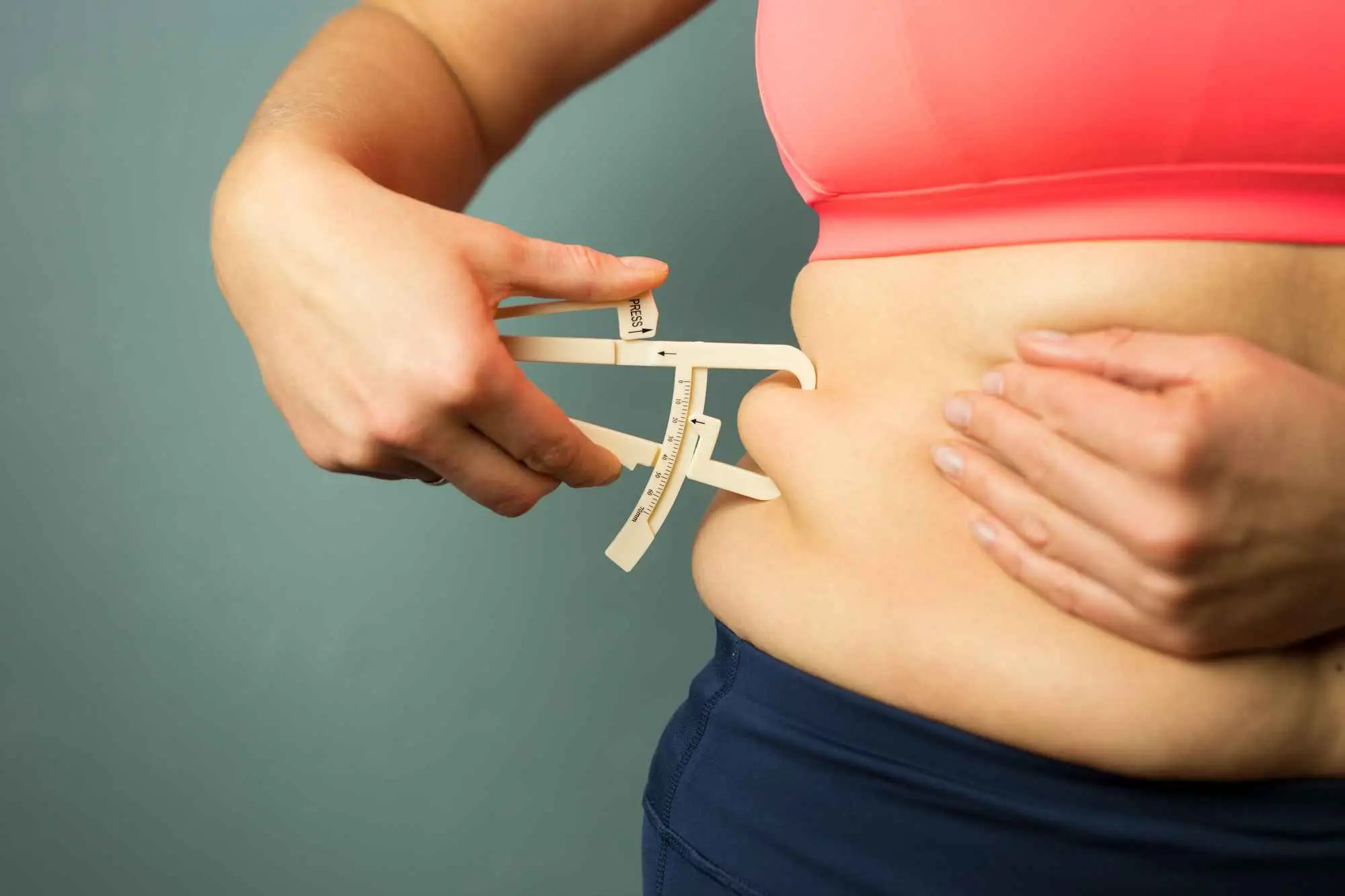
A full medical history is then taken, along with information about any medication you are taking. Depending on age, health status and the extent of the procedure, additional medical evaluation may be requested.
During the appointment, the medical team may take photographs from different angles for surgical planning and future assessment of the result. You will also discuss the proposed technique, the type of anaesthesia, the position of the incisions, how long recovery takes, and what to look out for before and after treatment.
Before the procedure, transport home must be arranged and, where needed, an adult should be present during the first part of recovery. If sedation or general anaesthesia is to be given, you will be given specific fasting instructions.
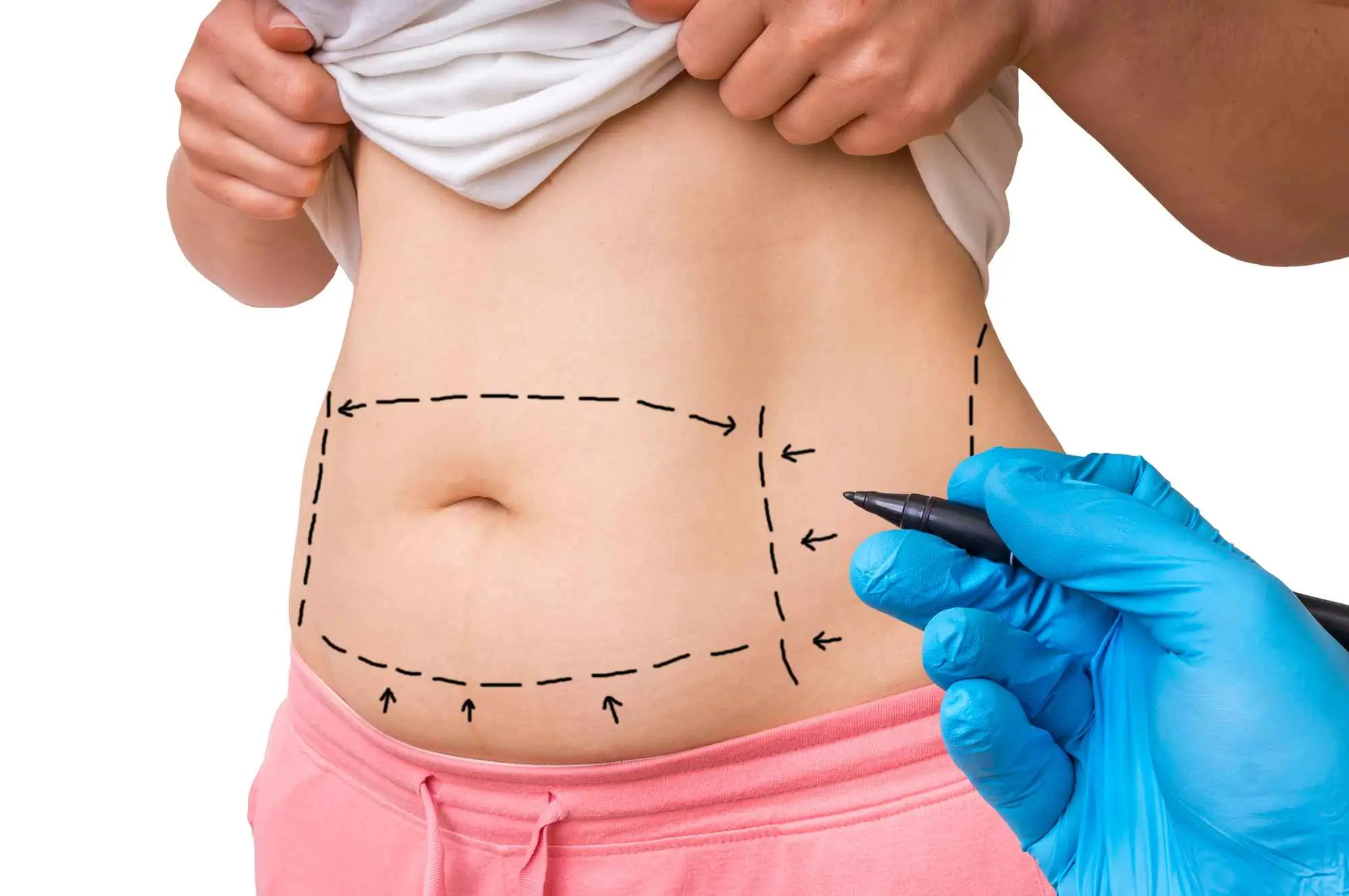
1. Marking the area: Before anaesthesia, the plastic surgeon marks the areas to be treated while the patient is standing, since fat distribution and body curves change when the patient lies down.
2. Anaesthesia: The type of anaesthesia is chosen according to the extent of the procedure, the technique and the patient’s health status. Smaller procedures can be carried out under local anaesthesia and sedation, while larger ones usually require general anaesthesia.
3. Fat removal: After the tumescent solution is injected, small incisions are made at discreet points and the cannula, or the specialised probe used in the non-invasive technique, is inserted. The fat is removed gradually and from different directions, so the surgeon maintains an even layer under the skin and creates natural transitions into neighbouring areas.
Throughout the procedure, symmetry, tissue thickness and the overall contour are continuously checked.
4. Closing the incisions: At the end, the incisions are either closed or left partly open temporarily to allow fluid drainage, and a special compression garment is fitted.
5. Returning home: Most patients return home a few hours later, once the effects of the anaesthesia have worn off. For more extensive or combined procedures, an overnight stay at the clinic may be required.
The first change in contour may be noticeable immediately after the procedure. The final result, however, is not yet visible, as swelling and fluid retention temporarily mask the new shape of the area.
Bruising, swelling, tenderness and a feeling of stiffness or muscle soreness are to be expected in the first few days. It is normal for the skin to feel temporarily numb at first, while the tissue is often firmer than usual or shows minor irregularities. A small amount of fluid may also drain from the incisions during the first period.
The doctor will recommend gentle mobility from early on. Walking helps circulation and is an important part of preventing thrombosis. You will also wear a special elastic compression garment, which limits swelling and supports the tissue while it adjusts to the new contour.
Returning to office work is often possible within a few days to two weeks, depending on the technique, the extent of the procedure and the course of recovery. If the job requires physical effort, more time may be needed. Exercise is reintroduced gradually, while intense training and weightlifting are avoided for as long as the surgeon recommends.
Bruising usually fades within the first few weeks. Swelling, however, can persist to a lesser degree for several months. As the tissue softens, the contour becomes clearer, and the result is usually assessed after three to six months. In some areas, improvement continues beyond this period.
The result is maintained for as long as weight remains as stable as possible.
Liposuction is a well-established surgical procedure. When performed on appropriately selected patients by an experienced plastic surgeon in an organised surgical setting, serious complications are rare and manageable. A systematic review from 2024, which included 29,368 patients, put the overall complication rate (mild, moderate and severe) at 2.62%. The most common complication is minor contour irregularities, which are expected after the procedure, temporary, and mainly cosmetic rather than medical in nature. This reflects the high level of safety of the procedure.
Swelling, bruising, tenderness, a pulling sensation and temporary changes in sensitivity are a normal part of healing. In the first few weeks, the minor irregularities or asymmetries you may notice are usually due to the uneven distribution of swelling, and improve gradually. If they persist after healing is complete, corrective surgery may be needed.
Rarely, fluid accumulation, haematoma, infection, delayed healing, persistent numbness or skin discolouration may occur.
Fluid accumulation, depending on how much fluid has collected and exactly where it is, is usually treated with aspiration, drainage or lymphatic massage, while infection will require antibiotic treatment.
Extremely rarely in medical practice, over the last few decades, complications such as venous thrombosis, reactions to anaesthesia or injury to deeper anatomical structures have been reported.
Contact your doctor if you have increasing pain, severe or one-sided swelling, high fever, spreading redness, pus-like discharge or a sudden change in skin colour. Calf pain, shortness of breath, chest pain, feeling faint or a rapid heartbeat require immediate medical attention.
The cost is determined on an individual basis, as liposuction procedures differ from person to person in terms of technique, the extent of the area, duration and level of difficulty.
The key factors are:
You should also factor in pre-operative tests, the compression garment and medication, and post-operative follow-up. The cost also varies significantly depending on whether it is combined with another procedure, and whether it is a first-time or corrective liposuction.
A financial quote should clearly state what it includes. Choosing on the basis of the lowest price alone often proves misleading if it does not include appropriate surgical facilities, anaesthesia cover, post-operative care or the management of possible complications.
Your safety is our highest priority. The hospitals we work with are equipped with state-of-the-art technology and meet the strictest European standards. Our team is led by Dr Athanasiou and includes experienced anaesthesiologists and specialised nursing staff, ensuring a comfortable and safe experience. If you are interested in liposuction, please contact one of our clinics.
OUR DOCTORS ANSWER
There is no pain during the procedure, as appropriate anaesthesia is used. After surgery, most patients describe tenderness, stiffness and a sensation resembling intense muscle soreness. Symptoms are usually more pronounced in the first few days and are controlled with the prescribed medication.
Liposuction is designed to reshape body contour, not to achieve weight loss. It removes stubborn subcutaneous fat, which improves the aesthetic result and often means dropping a clothing size, but not necessarily the weight shown on the scale. This is because fat takes up more volume in the body than muscle for the same weight. So removing it noticeably changes body shape, even when the scale shows only a small difference.
Typically, 2–5 kilos of fat are lost in total, depending on the areas treated. More fat is usually removed from the abdomen and flanks, while much less is removed from the neck or arms. For safety reasons, when more than 5 litres need to be removed in a single procedure, the patient is hospitalised and monitored more closely, while larger fat volumes call for more than one session. In fact, immediately after the procedure, the scale may show that you weigh more (by 1 to 2 kilos), due to the normal fluid retention and swelling that follow surgery.
The adult body does not produce new fat cells under normal conditions, so the cells that are removed do not regenerate. However, if weight increases after liposuction, the remaining fat cells can enlarge and alter the contour again. Weight gain can also lead to greater fat deposition in areas that were not treated with liposuction.
Liposuction removes subcutaneous fat, that is, the soft fat found under the skin, and does not treat the visceral fat within the abdominal cavity. A protruding abdomen may also be due to skin laxity, separation of the abdominal muscles, or the shape of the abdominal wall. How flat the area can become therefore depends on the underlying cause of the problem.
Liposuction treats localised subcutaneous fat, not every factor that affects the shape of an area. A protruding abdomen, for example, is often due to visceral fat, which the procedure does not remove.
It is also best for the procedure to be scheduled once weight has stabilised. Significant weight changes, or a pregnancy after surgery, can alter the body contour again.
Liposuction removes localised fat. Abdominoplasty additionally addresses excess skin and the muscular factors mentioned above. When the skin has good elasticity, liposuction alone may be sufficient. When there is significant laxity, abdominoplasty, or a combination of the two procedures, may be the better solution.
Liposuction and liposculpture are two techniques that, although based on the same principle, have different indications. Liposculpture involves transferring fat from one part of the body to another, where there is lipodystrophy or premature fat loss. This means the surgeon can take fat from the abdominal area or the buttocks and, after special processing, place it in areas such as the nasolabial folds. This fat can also be used to lift the buttocks or enhance the body’s natural curves. Liposuction, on the other hand, involves removing fat from areas with a greater than desired accumulation. The two techniques can be applied either together, at the same time, or individually.
The cannulas are inserted through small incisions a few millimetres long, placed in the most discreet locations possible. The scars may initially be red or darker than the surrounding skin, but they usually fade gradually over the following months and become barely noticeable. The final appearance also depends on each person’s healing process.
There is no single amount that is safe for everyone. The plastic surgeon takes into account body size, health status, the number of areas, the duration of the procedure, fluid balance, and whether other surgical procedures are being carried out at the same time. As the volume of liposuction increases, so do the monitoring and safety requirements.
Yes. Provided it is suitable, it can be processed and transferred to other areas, such as the face, chest or buttocks. Fat transfer is a separate surgical procedure and must be planned according to the needs of the area where the fat will be placed.
The best method is the one that suits you. The choice is based on the area, the amount and density of the fat, skin elasticity, the result the patient wants, and any previous procedures or scar tissue.
The extent of the surgery, the possibility of fat transfer and, above all, the plastic surgeon’s training and experience in the specific technique also play an important role in the success of liposuction. In some cases, more than one method is used in the same procedure, since each serves a different stage of the plan.
Liposuction does not affect the reproductive organs or the ability to become pregnant. Pregnancy, however, can alter the skin, fat distribution and abdominal contour again. When pregnancy is expected in the near future, it is more practical to postpone the procedure.
Lymphatic massage is not necessary in every case. It is recommended for managing swelling or tissue induration (a temporary fibrosis that worsens when lymphatic fluid remains trapped in the tissue). It should only be carried out with the surgeon’s approval, by a physiotherapist specialised in lymphatic drainage, as vigorous or premature massage can irritate tissue that is still healing
Yes, provided healing is complete and there is an area that can be safely improved. Corrective liposuction is usually more demanding, because the tissue may contain scarring and the available subcutaneous fat may be limited.
The doctor should be a plastic surgeon specialised in liposuction, with proven experience in the technique they recommend. It is important that they clearly explain what the procedure can and cannot achieve, what the recovery plan involves, and how any complications are managed. For VASER liposuction and high-definition liposculpture, expertise in the specific technique matters even more.
Certain conditions can make liposuction unsafe or require it to be postponed until they are adequately managed. These may include:
Smoking should be stopped, as nicotine causes vasoconstriction that reduces tissue oxygenation, impairs healing and increases the risk of infection. If you are taking anticoagulants or other medication that affects clotting, inform your doctor before the procedure.
Call us on 210 8949090 or fill out the form, and we will contact you. Ask us about the flexible payment options offered by ABH.
ABH International Care is a pioneering wellness tourism program. For our international patients, we offer a comprehensive experience that combines groundbreaking treatments with luxury accommodation and personalized care. ABH Medical Group also has an international network of doctors in key cities like Beverly Hills, Miami, New York, London, and Dubai for postoperative monitoring and care, ensuring continuous support wherever you are.
For patients outside Athens or those who prefer the comfort of their home, we offer secure and reliable online evaluation sessions. Our specialized medical team provides personalized treatment recommendations, allowing you to organize the next steps of your treatment without needing immediate travel. We assess your case to prepare the next stage of therapy.
At ABH Medical Group, your care is our priority. With our 360° holistic approach, we combine advanced treatments and personalized care to rejuvenate your appearance and well-being, both internally and externally. Since 2008, we have been pioneers in anti-aging, offering innovative solutions that meet your unique needs. With international recognition and partnerships, we ensure you are in the best hands with the highest standards of safety and quality.
Call us on 210 8949920 or fill out the form, and we will contact you. Ask us about the flexible payment options offered by ABH.
Call us on 210 8949920 or fill out the form, and we will contact you. Ask us about the flexible payment options offered by ABH.