The birth of a child is a unique experience that fills every woman’s life with joy and love. However, pregnancy, childbirth, and especially a cesarean section, leave behind changes in the body that do not easily recede. The skin and abdominal muscles stretch to accommodate the fetus, while hormonal changes affect tissue elasticity. When delivery is performed via cesarean section, there is the addition of a surgical incision, which leaves a scar and temporarily disrupts balance in the area. As a result, women often notice a sagging belly after a C-section. This phenomenon is due to loose skin and accumulated fat that appear at the site of the incision. But how can new mothers improve the appearance of their belly after childbirth?
Why does a sagging belly appear after a C-section?
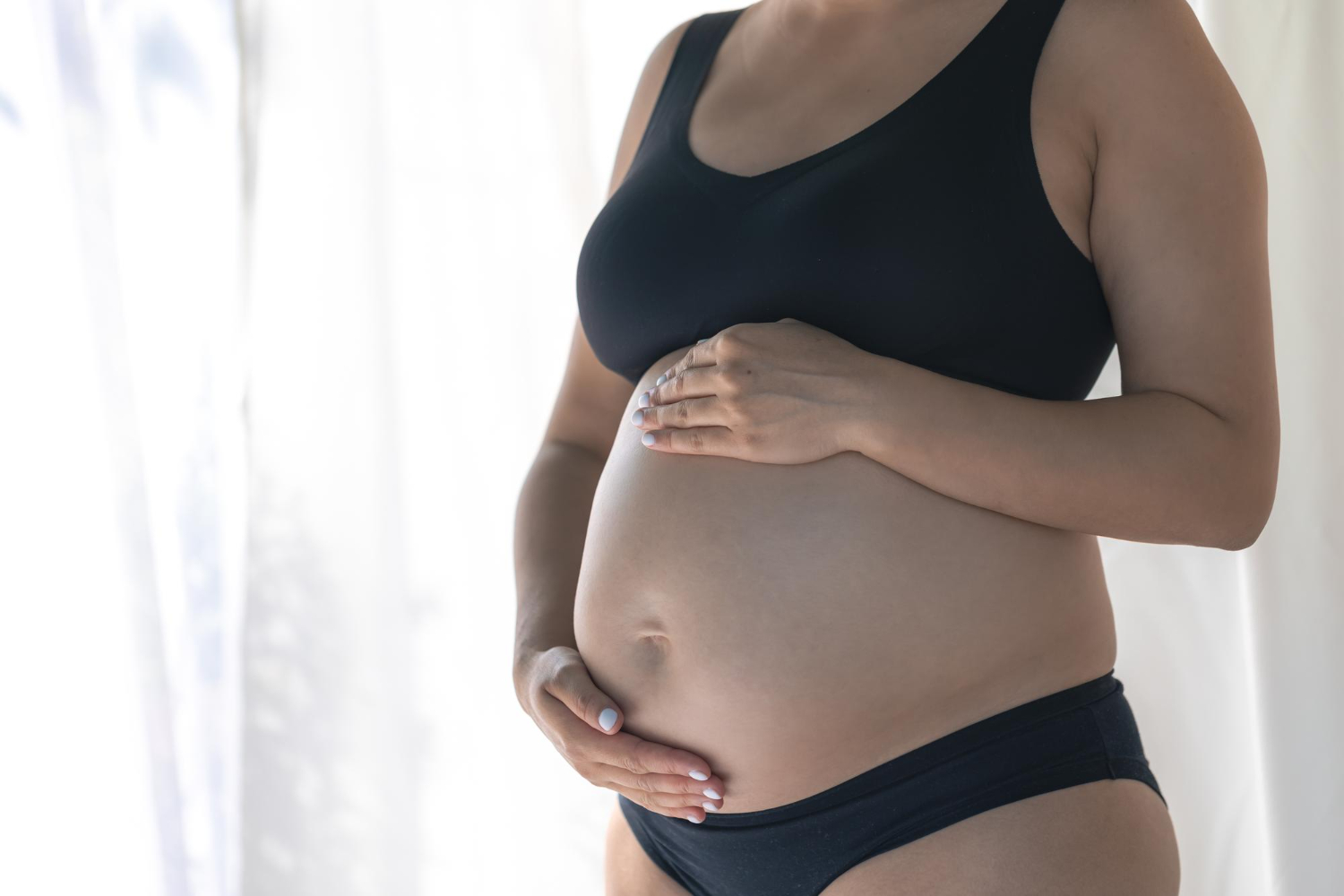
After a cesarean delivery, the belly often shows laxity and protrusion in the lower part, usually around the incision. This phenomenon results from a combination of factors. During pregnancy, the abdominal muscles stretch and often separate (diastasis recti), leading to reduced support of the abdominal wall. At the same time, the skin, stretched for months, often struggles to return. The lack of elasticity is more pronounced in women who gained more weight or had multiple pregnancies. Let’s not forget that pregnancy promotes fat storage, particularly in the abdominal area. This fat is more resistant to diet and exercise. Finally, the cesarean incision creates scar tissue, which may pull the skin downward, accentuating the sagging belly. Even after pregnancy weight is lost, the belly may still appear “droopy,” with excess skin or fat that does not easily resolve through diet and exercise.
The body’s natural recovery
Nature has equipped the woman’s body to gradually recover. In the first months after childbirth:
- The uterus shrinks.
- The skin regains some of its elasticity.
- The muscles return, to a degree.
A balanced diet rich in protein, fruits, and vegetables, as well as proper hydration, help tissue reconstruction. Gentle exercise, such as walking and breathing exercises, may begin after the first weeks, always with the doctor’s guidance. Gradually, core and pelvic floor exercises significantly contribute to muscle strengthening.
How to improve sagging belly after a C-section without surgery
Not all cases are the same, and many women see significant improvement without surgery. Some indicative methods include:
- Targeted exercise: Pilates, yoga, and core training improve muscle tone.
- Non-invasive treatments: Radiofrequency, ultrasound, and cryolipolysis help with skin tightening and fat reduction.
- Massage and lymphatic drainage: Improve blood circulation and reduce swelling.
When sagging belly after a C-section is more severe, abdominoplasty (tummy tuck) has the final and most effective say. The procedure removes loose skin, tightens abdominal muscles, and corrects the scar.
When can abdominoplasty be performed after a C-section?
Experts recommend waiting at least one year after delivery. This gives the body time to recover naturally, allows weight stabilization, and ensures full healing of the scar.
Abdominoplasty is suitable for women who:
- Have completed childbearing.
- Maintain a stable weight.
- Do not have serious health problems.
It is not recommended for women who smoke or suffer from conditions such as diabetes or heart disease, as complication risks are higher.
The benefits of abdominoplasty for a woman with sagging belly after a C-section
Surgical correction offers:
- A flat and firm abdomen.
- Improvement of the C-section scar appearance.
- Better clothing fit.
- Enhanced self-confidence and improved psychology.
The psychological aspect of the issue
A sagging belly after a C-section is not just an aesthetic issue—it also affects a woman’s psychology. Body image is linked to self-esteem and social life. Many mothers report that they feel like themselves again once their belly improves.
However, it is important to remember that a sagging belly is the imprint of a miracle: the birth of a new life. Loving and accepting the body is the first step. All changes—whether natural or supported by medical intervention—should be made with self-care in mind, not societal pressure.
In summary, a sagging belly after a C-section is a common but reversible condition. With time, patience, proper diet, exercise, and, if needed, the support of aesthetic medicine and plastic surgery, every woman can see remarkable improvement.
Motherhood is a journey full of challenges but also miracles. The body changes, but it has the unique ability to heal and regain its strength. The most important message is that every mother deserves to love her body, take care of it, and honor the unique story it tells. And at ABH Medical Group, we are committed to helping her!