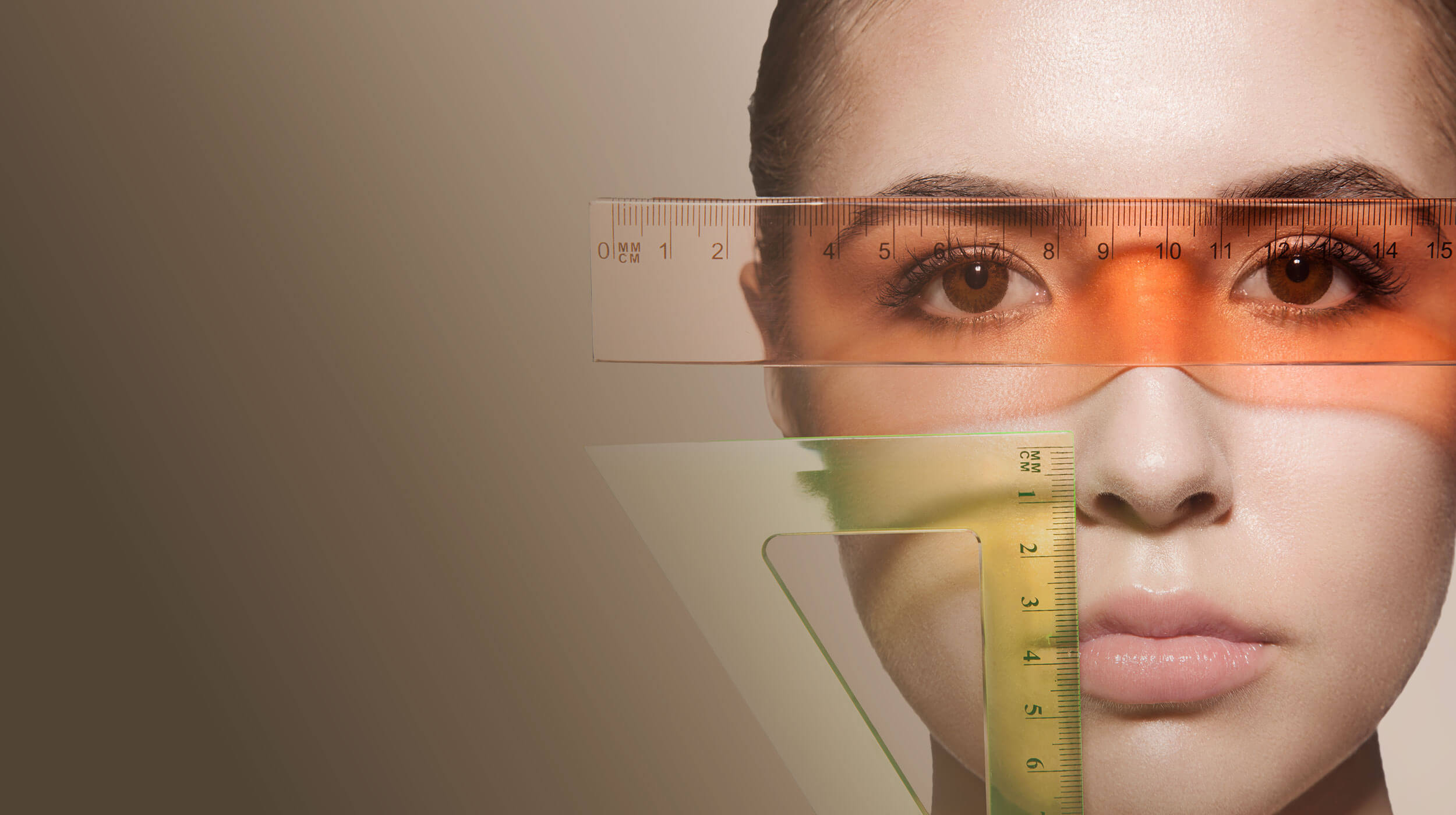
Facial asymmetry refers to a condition where the features of the face are not perfectly symmetrical. This imbalance can be subtle and natural for many people or more pronounced, affecting the aesthetics and balance of the face.
Causes of Facial Asymmetry
Facial asymmetry can result from various factors, including::
Genetic Factors: Genetic traits influence the shape and structure of the face, causing minor or more significant differences between the two sides.
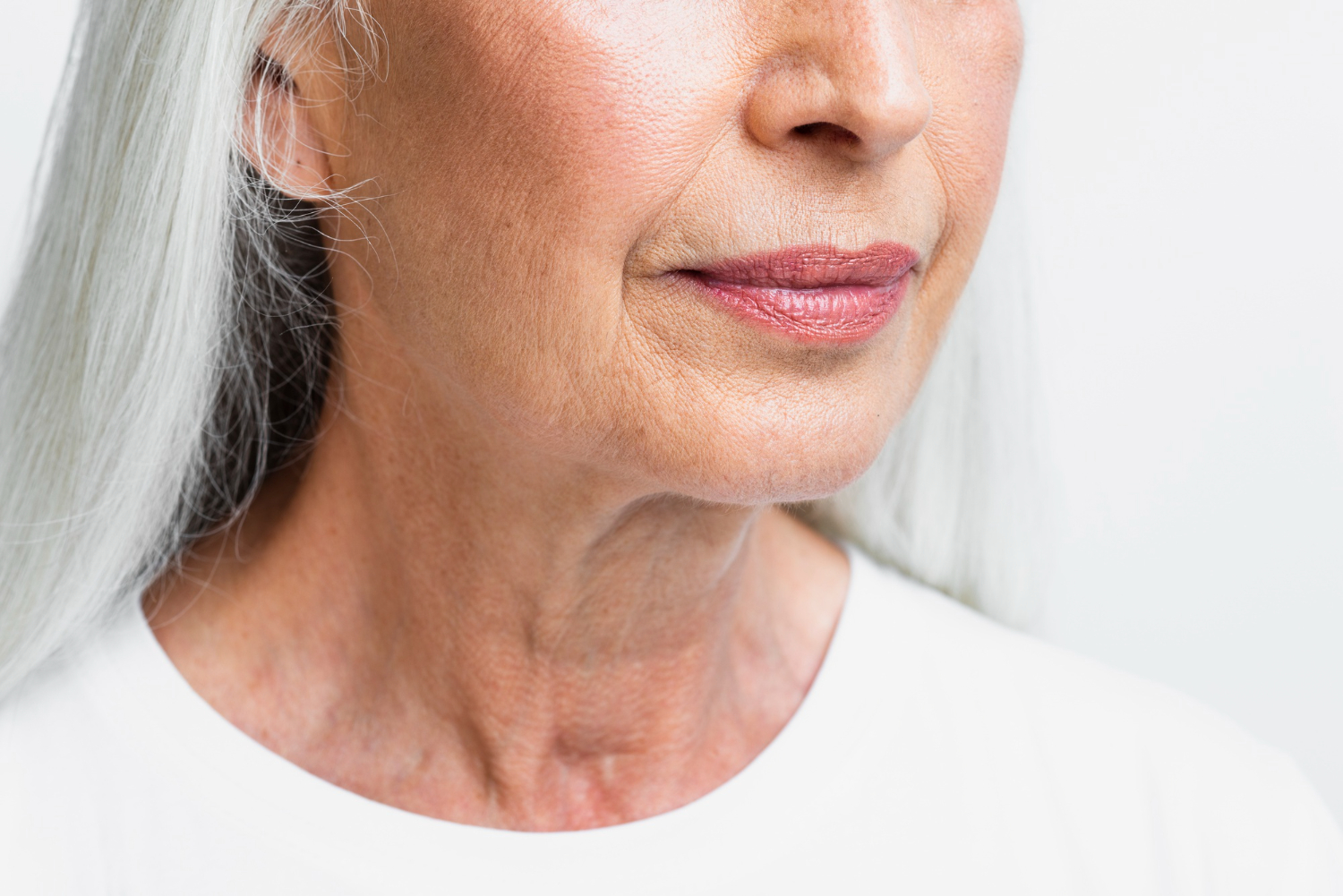
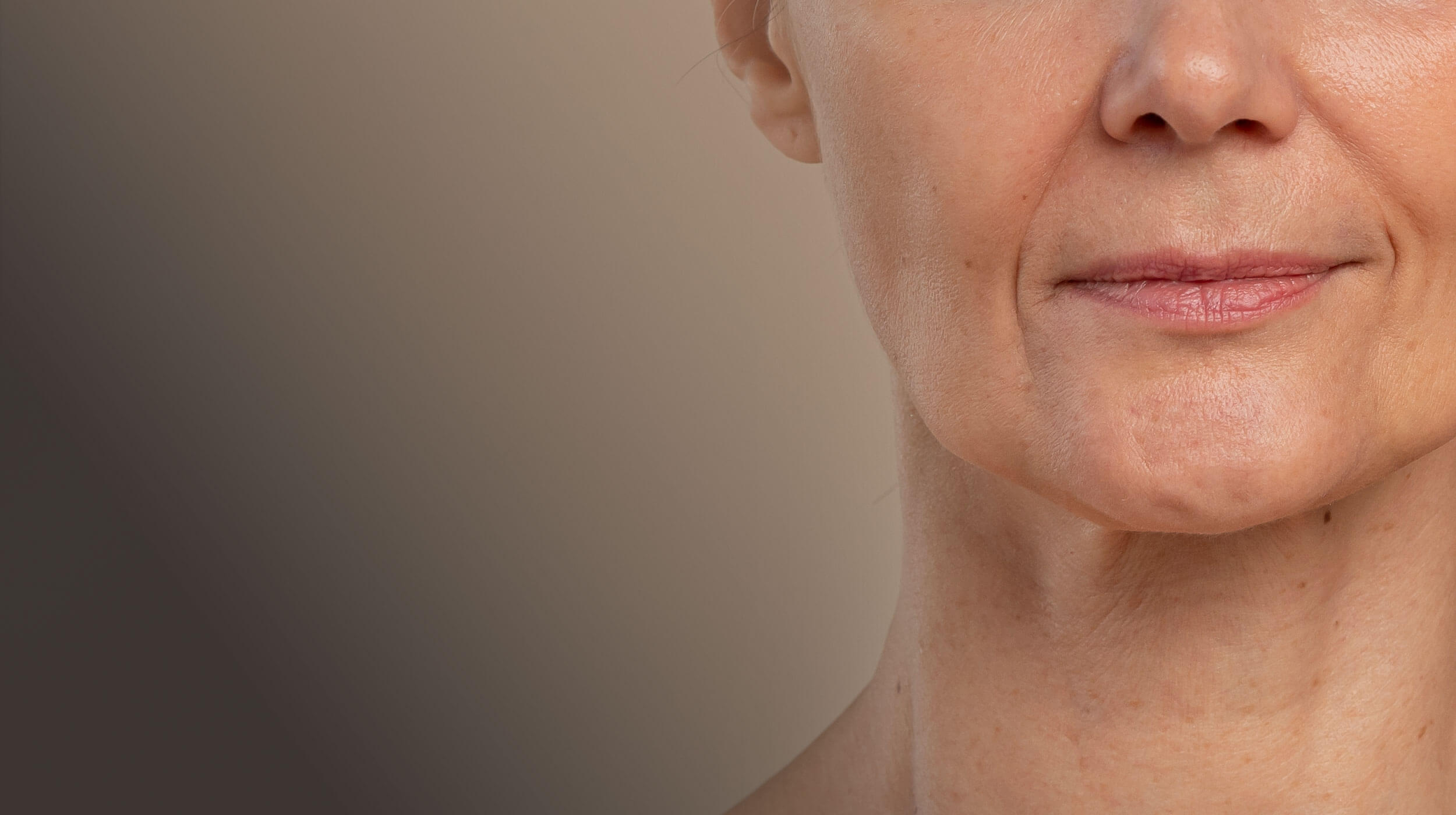
Natural Development and Aging: Over time, natural collagen loss and bone density reduction exacerbate asymmetry, particularly in areas prone to sagging.
Everyday Habits: Habits such as sleeping on the same side, chewing on one side, or frequently resting the face on the hand can worsen asymmetry over time.
Symptoms of Facial Asymmetry
Facial asymmetry may present as:
- Differences in Facial Features: Variations in the size or position of the eyes, eyebrows, cheekbones, or lips.
- Uneven Sagging: Certain areas may sag more than others, creating an unbalanced appearance.
- Asymmetry in Facial Contours: Differences in bone structure or fat distribution may affect the oval shape of the face.
The ABH Medical Group Approach to Treating Facial Asymmetry
At ABH Medical Group, we offer specialized treatments and techniques tailored to each individual’s unique needs to improve facial symmetry and aesthetics.
Treatments for Correcting Facial Asymmetry:
Injectables (Hyaluronic Acid, Biostimulants):
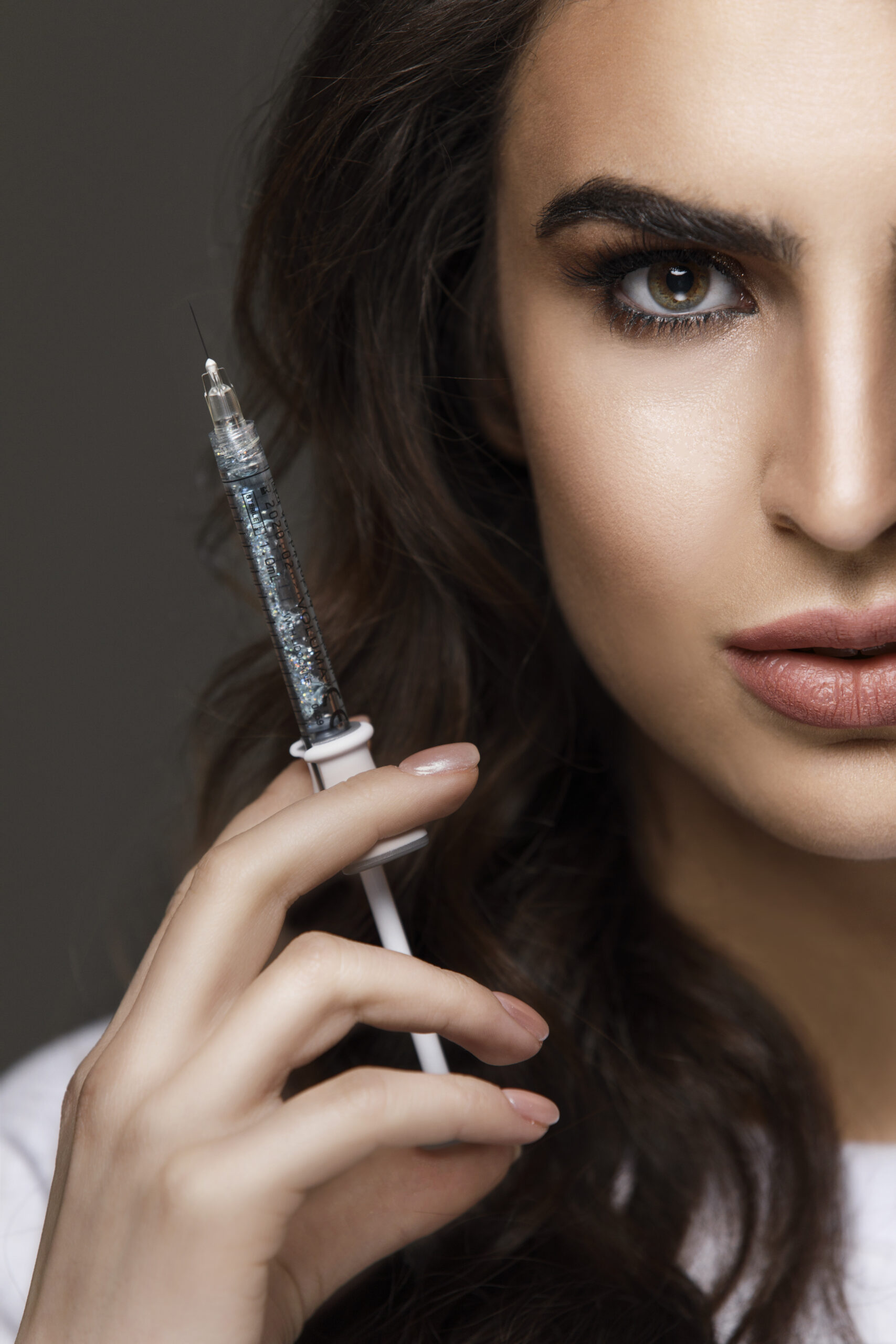
Injectables are used for facial sculpting, filling areas with volume deficiencies, and balancing facial contours.
Botox for Correcting Asymmetric Movement:
For asymmetry caused by muscle imbalances, Botox helps balance muscle movement, achieving a more even expression.
Radiofrequency and Tightening Treatments:
Using advanced tightening technologies, we reshape and enhance facial contours, reducing disparities between the two sides of the face.
Surgical Solutions for Permanent Correction:
For more severe asymmetry, surgical procedures such as facelifts, fat transfer, and jawline adjustments provide long-lasting results.
Frequently asked questions
Is facial asymmetry normal?
Yes, mild asymmetry is entirely normal and often unnoticeable. For more pronounced asymmetry, aesthetic or surgical treatments can significantly improve facial appearance.
What is the best age to correct facial asymmetry?
Corrections can be performed at any age, depending on individual needs and desired outcomes. Many opt for aesthetic treatments in their 30s or 40s when age-related differences become more apparent.